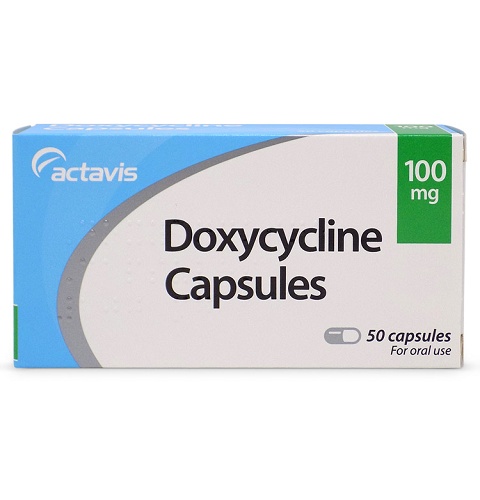
Buy Doxycycline in Online Pharmacy – Fast Delivery in United States
This article is for informational purposes only. Medication use is only possible after consultation with a doctor. Self-medication is dangerous and may cause harm.
Doxycycline in the United States: The 2026 Comprehensive Medical Guide
Can You Get Doxycycline Without a Prescription in the US?
No, you cannot legally obtain Doxycycline in the United States without a prescription. Doxycycline is a prescription-only antibiotic regulated by the US Food and Drug Administration (FDA). Pharmacies—whether local or online—require a valid prescription from a licensed healthcare provider for dispensing Doxycycline. Any website or vendor offering Doxycycline without a prescription is operating illegally and poses serious health risks.
Generic: ~$0.30–$1.50 per tablet; Brand: higher (varies by pharmacy, insurance)
Insurance Coverage
Usually covered by private insurance, Medicare Part D
Takeaway: Doxycycline is widely available, affordable as a generic, and highly regulated for safety in the US.
How Does Doxycycline Work in the Body?
Doxycycline belongs to the tetracycline class of antibiotics. At the molecular level, it works by binding to the 30S ribosomal subunit in bacteria. This action inhibits the bacteria’s ability to produce essential proteins—a process known as protein synthesis inhibition. Without these proteins, bacteria cannot grow or multiply, ultimately leading to their elimination by your immune system. Mechanism in plain terms: Think of Doxycycline as blocking the assembly line inside bacteria, so they can’t build the parts they need to survive.
Unique features: Unlike some antibiotics, Doxycycline is effective against a wide range of bacteria, including certain atypical organisms like Chlamydia and Rickettsia.
Independent action: Doxycycline acts directly on bacteria and does not require specific triggers in your body to be effective.
Myth vs. Reality: Myth: “Doxycycline works immediately on all infections.” Reality: Most people start to feel better within 1–2 days, but full resolution of infection can take several days to weeks, depending on the infection and its severity.
References: Recent studies (see references at end) confirm Doxycycline’s efficacy in both acute and chronic bacterial infections, and guidelines from the Centers for Disease Control and Prevention (CDC) recommend it for a variety of tick-borne and sexually transmitted infections as of 2026.
Recommended Dosage and Administration: What Do US Guidelines Say?
Indication
Usual Adult Dose
Duration
Notes
Acne
50–100 mg once or twice daily
Weeks to months
Long-term use may require lower doses
Respiratory Infections
100 mg twice daily
7–14 days
Start as soon as possible after diagnosis
Lyme Disease
100 mg twice daily
10–21 days
CDC first-line recommendation (2026)
STIs (e.g., chlamydia)
100 mg twice daily
7 days
Sexual partners must be treated as well
Malaria Prophylaxis
100 mg once daily
Start 1–2 days before travel, continue for 4 weeks after leaving area
Consult CDC guidelines for regions
Maximum daily dose: Do not exceed 200 mg per day unless specifically prescribed by your doctor.
Formulation: Available as tablets, capsules, and oral suspension. Extended-release forms are sometimes prescribed for acne.
Splitting tablets: Enteric-coated and extended-release tablets should not be split or crushed.
Special populations: In cases of kidney or liver impairment, your doctor may adjust the dosing. Always follow individualized instructions.
Missed dose: Take as soon as you remember, but skip if it’s almost time for your next dose—do not double up.
Bottom line: Always take Doxycycline exactly as prescribed, and complete the full course even if you feel better.
Doxycycline and Food, Alcohol, and Lifestyle: What You Need to Know
With Food?
Doxycycline can be taken with or without food. However, taking it with a full glass of water and remaining upright for at least 30 minutes helps prevent esophageal irritation. High-fat meals may slightly reduce absorption, but not enough to impact most clinical outcomes.
Dairy Products?
Calcium in milk and dairy can bind to Doxycycline and reduce absorption. Avoid taking Doxycycline within 2 hours of consuming dairy products.
Alcohol?
Moderate alcohol consumption is not strictly contraindicated, but heavy drinking is discouraged due to increased risk of liver side effects and impaired immune response.
Grapefruit Juice?
No significant interaction; however, it’s generally advised to avoid grapefruit with many medications as a precaution.
Supplements?
Iron, calcium, magnesium, and zinc supplements can interfere with Doxycycline absorption. Take these minerals at least 2 hours apart from your medication.
Product
Can it be combined?
Consequences
Dairy (milk, cheese)
No (within 2 hrs)
Reduces absorption
Alcohol (moderate)
Yes, but not advised
Risk of liver toxicity
Iron supplements
No (within 2 hrs)
Reduces absorption
Who Should NOT Take Doxycycline?
There are important restrictions and red flags for Doxycycline use in the United States. These are divided into absolute (never use) and relative (caution advised) contraindications.
Absolute contraindications:
Children under 8 years old (permanent tooth discoloration and bone growth inhibition)
Known allergy to Doxycycline, tetracyclines, or any excipients
Pregnancy (especially 2nd and 3rd trimester, due to risk of fetal harm)
Severe hepatic impairment (risk of toxicity)
Relative contraindications / Use with caution:
Breastfeeding (small amounts pass into breast milk; discuss risks/benefits)
Renal impairment (dose adjustment usually not required, but monitor closely)
History of esophageal disorders or reflux disease
Concomitant use with isotretinoin (increased risk of intracranial hypertension)
Why are these important? For example, in children, Doxycycline can cause permanent tooth staining because it binds to calcium in developing teeth and bones. In pregnancy, similar risks exist for the fetus.
What Side Effects Are Most Common With Doxycycline?
Severe symptoms (trouble breathing, swelling, persistent vomiting, severe headache): Call 911 or visit the nearest emergency department.
Mechanisms: Most GI side effects occur because Doxycycline disrupts the balance of healthy gut bacteria. Photosensitivity happens because the drug increases skin reactivity to ultraviolet (UV) light.
Bottom line: While most side effects are mild and manageable, rare but serious reactions require immediate attention.
How Does Doxycycline Compare with Other Antibiotics?
Feature
Doxycycline
Amoxicillin
Azithromycin
Spectrum
Broad (atypical, tick-borne, respiratory, STIs)
Narrower (mostly respiratory, ear, UTI)
Broad (respiratory, STIs, some atypical)
Dosing Frequency
Once or twice daily
2–3 times daily
Once daily (shorter course)
Common Side Effects
GI upset, photosensitivity
Allergy, diarrhea
GI upset, QT prolongation (rare)
Price / Accessibility
Generic, low cost
Generic, low cost
Generic, moderate cost
Unique Limitations
Not for young children, pregnancy
Frequent allergies
Risk of cardiac arrhythmia in predisposed
Expert commentary: Doxycycline is the preferred first-line agent for several tick-borne and atypical infections in US clinical guidelines (e.g., Lyme disease). If you are allergic to penicillins, Doxycycline is often a safe alternative.
Is It Legal and Safe to Buy Doxycycline Online in the US?
In the United States, it is legal to purchase Doxycycline online only from licensed US pharmacies that require a valid prescription. The National Association of Boards of Pharmacy (NABP) maintains a list of verified online pharmacies. Look for the VIPPS (Verified Internet Pharmacy Practice Sites) seal on reputable sites. Pharmacies that dispense antibiotics without a prescription are breaking federal law and exposing you to counterfeit or unsafe medications. Importing Doxycycline from abroad without a prescription is illegal and may result in customs seizure or legal consequences.
Warning: Counterfeit antibiotics sold by rogue websites may contain incorrect or dangerous ingredients, incorrect dosages, or no active drug at all. Always choose licensed US pharmacies and telemedicine services that require a prescription and can answer questions about the medication.
How to Get Doxycycline Legally in the US: Step-by-Step
Consultation: Schedule a visit with your primary care provider, an infectious disease specialist, or use a US-licensed telemedicine service. Many platforms now offer same-day appointments.
Medical Evaluation: Share your symptoms, medical history, allergies, and medication list. The provider will assess if Doxycycline is clinically appropriate.
Prescription: If indicated, you’ll receive an electronic prescription (eRx) sent directly to your preferred local or online pharmacy.
Pharmacy Dispensing: Pick up your medication in person (e.g., CVS, Walgreens, Walmart) or arrange for mail-order delivery from a licensed online pharmacy.
Insurance: Present your insurance or Medicare/Medicaid information for potential coverage.
Follow-up: Report any side effects, lack of improvement, or concerns to your provider. Attend any recommended follow-ups, especially for prolonged courses.
Tip: Telehealth is legal in all 50 states; check that your chosen telemedicine provider is US-licensed and compliant with state laws.
Spotting Counterfeit Doxycycline: US Packaging and Security Tips
Original packaging: Doxycycline generics and brands in the US come in blister packs or pharmacy-labeled bottles. Packaging should list the drug name (doxycycline hyclate or monohydrate), dosage strength, manufacturer, lot number, and expiration date.
Security elements: Most US manufacturers use QR codes, holograms, or tamper-evident seals. Check for these on boxes and bottle caps.
Labeling: Look for consistent font, correct spelling, and clear FDA-required warnings (e.g., “Rx only”). If the packaging looks amateurish or lacks US manufacturer information, be wary.
Tablet appearance: Tablets may be round or capsule-shaped, usually yellow or light green, and sometimes marked with letters/numbers unique to each manufacturer.
Too good to be true? If the price is dramatically lower than at reputable pharmacies, or the vendor does not require a prescription, it is likely counterfeit or diverted medication.
Generics vs. Original Drug: US law requires generic Doxycycline to contain the same active ingredient and demonstrate “bioequivalence” to the brand drug. Inactive ingredients (excipients) may vary, which can lead to rare allergic reactions—always check with your pharmacist if you have allergies to dyes or fillers. Generics are typically as effective and far less expensive.
Quality check: When in doubt, have your pharmacist verify the product’s authenticity before starting treatment.
Special Patient Groups: Should You Take Doxycycline?
Children:
Not recommended for children under 8 years (risk of permanent tooth discoloration and bone effects).
Pregnancy:
Contraindicated due to risk of fetal bone and teeth toxicity. Use only if no alternatives exist and benefits outweigh risks.
Breastfeeding:
Small amounts can pass into breast milk; consult your provider for risk-benefit assessment.
Kidney or liver disease:
Doxycycline is primarily eliminated in feces and, to a lesser extent, via the urine. Dose adjustments are rarely necessary, but ongoing monitoring is advised.
Geriatric patients:
Generally safe with standard dosing, but monitor for GI and skin side effects.
Driving/Operating Machinery:
No significant central nervous system effects; no restriction unless you experience dizziness, headache, or visual disturbances.
Fertility:
No evidence of impact on fertility in men or women.
Bottom line: Always inform your healthcare provider about all health conditions and medications.
What to Do in Case of Overdose: US Emergency Protocol
Be ready to provide the exact amount taken, time of ingestion, and any symptoms.
Do not attempt to vomit unless directed by a healthcare professional.
If possible, bring the medication packaging to the ER for identification.
Symptoms of overdose: Severe nausea, vomiting, diarrhea, confusion, seizures, or signs of allergic reaction.
Frequently Asked Questions (FAQ)
Can Doxycycline be used daily?
Yes, many regimens involve once- or twice-daily dosing, especially for chronic conditions like acne or in malaria prophylaxis. Always follow your doctor’s instructions regarding duration and dose.
Is a prescription always required for Doxycycline in the US?
Yes, federal law mandates a doctor’s prescription. Over-the-counter sales are illegal.
How quickly does Doxycycline start working?
Most patients notice symptom improvement in 24–48 hours, but full recovery may require a complete course as prescribed.
What if I miss a dose?
Take the missed dose as soon as you remember, unless it’s almost time for your next scheduled dose. Never double up.
Can I drink alcohol while taking Doxycycline?
Moderate alcohol is not strictly contraindicated, but heavy drinking can increase side effect risks. Discuss with your provider.
What are signs I should stop Doxycycline and seek help?
Stop and contact your doctor or seek emergency care for severe allergic reactions, difficulty breathing, severe headache, or persistent vomiting.
Are generics as good as the brand-name version?
Yes, FDA-approved generics are clinically equivalent to the brand drug in the US.
Empathy and Support
Many people struggle with infections requiring antibiotics at some point in their lives. It’s normal to have concerns about medication safety, resistance, or side effects. Don’t hesitate to discuss these openly with your healthcare provider or a trusted pharmacist—your questions are valid, and support is always available. Remember, you’re not alone.
References
FDA. Doxycycline Hyclate Drug Label, 2026 Update. US Food and Drug Administration. Accessed June 2026.
View source
Centers for Disease Control and Prevention (CDC). Antibiotic Use in the United States, 2026. Accessed June 2026.
View source
American Academy of Dermatology. Guidelines of care for the management of acne vulgaris. J Am Acad Dermatol. 2024.
View source
Wormser GP, et al. The Clinical Assessment, Treatment, and Prevention of Lyme Disease, Human Granulocytic Anaplasmosis, and Babesiosis: Clinical Practice Guidelines by the Infectious Diseases Society of America, 2025. Clin Infect Dis.
View source