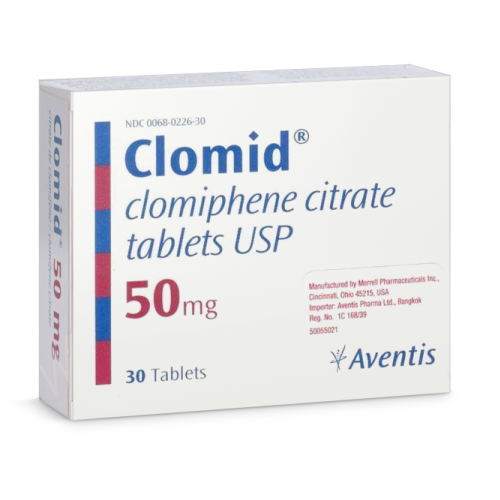
Buy Clomid Online in the United States Safely and Conveniently
Medical Disclaimer: This article is for informational purposes only. Medication use is only possible after consultation with a doctor. Self-medication is dangerous to your health and may be life-threatening. Always seek advice from a qualified healthcare provider before starting or stopping any medication.
Can Clomid Be Obtained Without a Prescription in the United States?
No, Clomid (clomiphene citrate) is a prescription-only medication in the United States. It is not legally available over the counter or without a valid prescription from a licensed healthcare provider. Attempting to obtain Clomid without a prescription is illegal and potentially dangerous due to the risk of counterfeit or unsafe products.
Key Takeaways
Clomid is only available by prescription in the United States due to safety and monitoring requirements.
Most suitable for women with certain types of ovulatory infertility, especially those with polycystic ovary syndrome (PCOS).
Initial results are typically seen within the first treatment cycle, but several cycles may be necessary for pregnancy.
Regular medical monitoring is essential to minimize risks such as ovarian hyperstimulation and multiple pregnancies.
Consult a fertility specialist or OB/GYN before starting therapy to ensure appropriate use and maximize success.
Seek immediate care if you experience severe side effects like pelvic pain, vision changes, or shortness of breath during treatment.
What Is Clomid and How Does It Work?
Clomid (active ingredient: clomiphene citrate) is a selective estrogen receptor modulator (SERM) used primarily to induce ovulation in women experiencing infertility due to irregular or absent ovulation. It is most commonly prescribed for women with polycystic ovary syndrome (PCOS) or unexplained infertility.
Mechanism of Action: Clomid acts by binding to estrogen receptors in the hypothalamus, a region of the brain that regulates the reproductive system. By blocking estrogen’s normal negative feedback, Clomid tricks the body into “thinking” estrogen levels are low. This stimulates the release of gonadotropin-releasing hormone (GnRH), which prompts the pituitary gland to secrete more follicle-stimulating hormone (FSH) and luteinizing hormone (LH). Increased FSH and LH stimulate the ovaries to develop and release mature eggs (ovulation).
Simple metaphor: Imagine Clomid as turning up the “volume” on your body’s fertility hormones by silencing the usual “mute button” that estrogen holds in place. The result: a more robust hormonal signal to the ovaries, increasing the chances of releasing an egg.
Clomid’s effectiveness depends on functioning ovaries and a responsive hypothalamic-pituitary axis. It does not work in women with primary ovarian insufficiency (premature menopause) or in cases where the pituitary or hypothalamus are nonfunctional.
Myth vs Reality: Myth: Clomid will help anyone get pregnant, regardless of the cause of infertility.
Reality: Clomid only works if the main problem is related to ovulation. It will not help if infertility is due to blocked fallopian tubes, severe male factor infertility, or primary ovarian failure.
Understanding Patient Expectations: Clinical Realities with Clomid Use
As a reproductive endocrinologist, I often find that patients begin Clomid therapy expecting a quick and guaranteed result—sometimes even pregnancy within the first month. In reality, while ovulation may occur during the initial cycle, conception can take several cycles, and not every patient will respond equally well. Many patients focus exclusively on their ovulation predictor kit results, not realizing that timing, sperm quality, and other factors also influence success. It’s common for women to feel discouraged if pregnancy does not occur immediately, but this is rarely a sign of treatment failure. I encourage my patients to ask more about what to expect if cycles are unsuccessful, how we’ll monitor for side effects, and when to consider additional interventions. Often, the need for regular ultrasound or blood test monitoring catches people by surprise. Understanding the limits and the full treatment journey from the outset makes the process less stressful and improves adherence to follow-up.
How Should I Take Clomid? Dosage and Instructions
Clomid is typically taken once daily for five days early in the menstrual cycle, usually starting between cycle days 3 and 5. The standard starting dose is 50 mg daily for 5 days, but some women may require adjustments.
Initial dose: 50 mg daily for 5 days (usually starting on day 3, 4, or 5 of the menstrual cycle).
If ovulation does not occur: The dose may be increased to 100 mg daily for 5 days in subsequent cycles, up to a maximum of 150 mg daily (rarely higher).
Maximum recommended course: Six cycles of Clomid are generally considered the upper limit due to decreasing success rates and increasing risks over time.
Peak effect: Ovulation typically occurs 5–10 days after the last tablet is taken.
Splitting tablets: Most generic and brand Clomid tablets can be split, but always follow physician or pharmacist instructions.
Never exceed 150 mg daily without explicit medical supervision, as higher doses do not improve success and significantly increase risks.
Note: In women with liver, kidney, or other significant medical issues, dosing must be individualized. There are no specific guidelines for elderly patients since Clomid is not used outside reproductive age groups.
Does Food, Alcohol, or Lifestyle Affect Clomid Absorption?
Food: Clomid can be taken with or without food. There is no clinically significant impact of meal timing on absorption.
Fatty meals: High-fat meals may slightly delay absorption, but not enough to affect efficacy.
Alcohol: Moderate alcohol does not directly interfere with Clomid’s action, but heavy drinking can disrupt ovulation and reduce fertility. It is generally advised to limit or avoid alcohol during fertility treatment.
Grapefruit juice: No evidence shows significant interaction between clomiphene and grapefruit juice, but to err on the side of caution, discuss with your doctor before combining them.
Lifestyle: Smoking and excessive caffeine intake may reduce fertility and are best minimized during treatment.
Who Should NOT Take Clomid? Contraindications and Warnings
Absolute Contraindications
Liver disease: Active or severe liver dysfunction due to metabolism and risk of toxicity.
Ovarian cysts unrelated to PCOS: Risk of cyst enlargement or rupture.
Unexplained uterine bleeding: Requires evaluation prior to treatment to exclude malignancy.
Pregnancy: Clomid must NOT be used by pregnant women due to teratogenic risk.
Hypersensitivity: Known allergy to clomiphene or any excipients in the formulation.
Relative Contraindications/Cautions
Thyroid disorders: Uncontrolled hyper- or hypothyroidism may need correction before starting Clomid.
Why these restrictions? Liver disease impairs the breakdown and clearance of clomiphene, increasing toxicity. Ovarian cysts may grow or rupture during treatment. Unexplained bleeding may mask serious underlying problems. Pregnancy exposure risks fetal harm.
Note: After a heart attack, stroke, or major surgery, discuss fertility plans with your doctor before starting any ovulation induction therapy.
What Side Effects Are Most Common with Clomid?
Clomid is generally well-tolerated, but side effects can occur. They are classified by frequency, following World Health Organization (WHO) guidelines:
What to do if you experience side effects: Mild side effects like hot flashes and mood swings can often be managed with lifestyle adjustments. If you develop severe pelvic pain, rapid weight gain, shortness of breath, or severe visual changes, stop taking Clomid and seek medical attention immediately.
How to Avoid Common Pitfalls with Clomid Treatment
Starting Clomid without complete evaluation: Skipping a full fertility assessment may miss underlying causes (e.g., blocked tubes, low sperm count), leading to ineffective treatment. Solution: Insist on a comprehensive workup before starting.
Taking Clomid for too many cycles: Extended use (beyond 6 cycles) increases risks and decreases success rates. Solution: If pregnancy hasn’t occurred after 6 cycles, reassess your treatment plan with your doctor.
Ignoring scheduled ultrasounds or blood tests: These are crucial to monitor for ovarian response and prevent complications. Solution: Attend all recommended follow-up appointments.
Self-adjusting dosage: Increasing the dose without medical input raises risks of ovarian hyperstimulation and side effects. Solution: Never alter your dose unless directed by your provider.
Failing to report vision changes: Continuing Clomid despite visual disturbances can lead to persistent symptoms. Solution: Report any new vision symptoms right away.
Inconsistent timing: Taking Clomid at different times each day can affect hormone levels and effectiveness. Solution: Take the medication at the same time daily.
Combining with unapproved supplements: Some herbal products may interact with Clomid’s action. Solution: Discuss all supplements with your doctor before starting.
How Does Clomid Compare to Other Fertility Medications?
Medication
Onset of Action
Duration of Effect
Common Side Effects
Cost per Cycle (USD)
Prescription Required?
Clomid (clomiphene)
Ovulation in 5–10 days
1 ovulation cycle
Hot flashes, bloating, mood changes
$10–$60 (generic), $80–$180 (brand)
Yes
Letrozole (Femara)
Ovulation in 5–10 days
1 ovulation cycle
Fatigue, dizziness, hot flashes
$20–$60 (generic), $120–$180 (brand)
Yes
Gonadotropin Injections (FSH, hMG)
Ovulation in 7–14 days
1 ovulation cycle
Injection site pain, OHSS, multiple pregnancies
$700–$2,000+
Yes
Clomid is less expensive and easier to administer (oral tablet) compared to injectable gonadotropins.
Letrozole may be preferred in women with PCOS or those not responding to Clomid, with potentially fewer side effects.
Gonadotropins are more potent but require intensive monitoring and have higher risk of ovarian hyperstimulation and multiples.
Clomid: Technical Specifications Table
Active Ingredient
Clomiphene citrate
Available Strengths
50 mg tablets (most common), some 100 mg
Formulations
Oral tablet
Administration
Once daily for 5 days, starting on day 3–5 of cycle
Storage Requirements
Store at room temperature (68–77°F, 20–25°C), away from light and moisture
Manufacturer
Sanofi (original), multiple generic manufacturers
Prescription Status
Rx only (United States)
How Do I Get Clomid? Step-by-Step in the United States
Schedule a medical consultation: Contact your OB/GYN, reproductive endocrinologist, or visit a fertility clinic for an initial evaluation.
Undergo a fertility assessment: This may include blood tests, ultrasound, and evaluation of both partners to identify causes of infertility.
Discuss treatment options: If Clomid is appropriate, your doctor will explain the benefits, risks, and expected outcomes, including the need for monitoring.
Receive your prescription: The provider will issue a prescription for Clomid, often electronically.
Pharmacy fulfillment: Fill your prescription at a licensed retail or mail-order pharmacy. Many major pharmacy chains and reputable online pharmacies can dispense Clomid with a valid prescription.
Follow-up monitoring: You may need ultrasound or bloodwork during your first cycle to assess response and adjust the dose if needed.
Telemedicine option: Some fertility specialists and telehealth platforms offer virtual consultations and can prescribe Clomid after appropriate assessment, but in-person monitoring may still be required.
Questions Patients Often Ask Doctor About Clomid Therapy
How long should I try Clomid before considering other options?
Most pregnancies with Clomid occur within the first three to six cycles. If pregnancy has not occurred after six cycles, it’s time to discuss alternative treatments or further evaluation with your fertility specialist.
Will Clomid increase my chance of having twins or more?
Yes, Clomid slightly increases the risk of twins (about 7–10%) and, very rarely, triplets or higher-order multiples. This is due to the possibility of multiple eggs being released in a single cycle.
How will I know if Clomid is working?
Your provider may use ovulation predictor kits, ultrasounds, or blood tests to confirm ovulation. Sometimes, regular menstrual cycles with Clomid suggest it is working, but only ovulation monitoring can give a definitive answer.
What happens if I miss a dose?
If you miss a dose, take it as soon as you remember unless it is almost time for your next dose. Do not double up. If you miss more than one dose, contact your physician for guidance on how to proceed.
Is it safe to combine Clomid with other fertility supplements or medications?
Always discuss any supplements, herbs, or other medications with your doctor. Certain combinations can alter the effectiveness or safety of your treatment.
How soon after stopping Clomid can I try again or switch medications?
Your physician will recommend an appropriate waiting period, usually involving a full cycle of observation before starting a new medication.
Compatibility Check: Clomid with Other Medications and Products
Product/Medication
Can It Be Combined?
Potential Consequences
Aspirin (low dose)
Yes
No significant interaction
Metformin
Yes
Often combined in PCOS treatment
Hormonal contraceptives
No
Suppresses ovulation, negating Clomid’s effect
Alcohol (moderate)
Caution
May decrease fertility, not a direct interaction
Herbal fertility supplements
Caution
Unknown interactions; always consult your doctor
Grapefruit juice
Unclear
Possible minor impact on metabolism; safety data limited
Other ovulation inducers
No (unless directed)
May increase risk of ovarian hyperstimulation
How Is Clomid Metabolized? Pharmacokinetics Explained
After oral administration, Clomid is well absorbed from the gastrointestinal tract. The active ingredient, clomiphene citrate, is extensively metabolized in the liver into several metabolites, some of which are active and have a long half-life.
Half-life (T1/2): Approximately 5–7 days for the main isomer, but some metabolites can persist in the body for weeks.
Elimination: Primarily via bile and feces; minimal excretion in urine.
Implications: The prolonged half-life can lead to accumulation with repeated cycles, which is why long-term use is discouraged.
Patients with liver disease should not take Clomid due to impaired metabolism and increased risk of side effects.
Patient Groups: Special Considerations
Women with PCOS: More likely to respond to Clomid but at higher risk for ovarian hyperstimulation and multiple pregnancies. Combined therapy with metformin is sometimes recommended.
Women with obesity: May require higher starting doses and closer monitoring.
Women with liver impairment: Clomid is contraindicated.
Women over age 40: Success rates decrease, and alternative therapies may be considered earlier.
Men: Clomid is sometimes used in male infertility (off-label) to increase sperm count, but evidence and dosing protocols differ. Always seek specialist advice.
Driving/machinery: Rare visual side effects may impair ability to drive or operate machinery. Discontinue use and consult your doctor if visual symptoms develop.
Fertility and family planning: Clomid is not a contraceptive and should only be used under direct supervision when pregnancy is desired.
Original vs. Generic Clomid: Which Is Better?
Original Clomid (by Sanofi or Aventis) and FDA-approved generic clomiphene citrate have the same active ingredient, strength, and efficacy. Generics cost less and are held to the same safety and effectiveness standards as brand-name medications by the U.S. Food and Drug Administration (FDA).
Inactive ingredients (excipients): May differ between brands and generics, potentially causing mild allergic reactions in sensitive individuals. If you have known allergies, ask your pharmacist to check the specific tablet’s excipients.
Appearance: Generics may differ in shape, color, or packaging, but should always be properly labeled and packaged from licensed U.S. pharmacies.
Cost: Generics are significantly less expensive, with no loss of efficacy or safety under FDA oversight.
Bottom line: For most patients, generics are a safe and cost-effective option.
How to Avoid Fake or Unsafe Clomid: Online Pharmacy Safety Guide
Verify accreditation: Look for the NABP’s VIPPS (Verified Internet Pharmacy Practice Sites) seal or check the pharmacy’s status at the NABP website.
Avoid “no prescription required” offers: These sites are unregulated and likely to sell counterfeit, contaminated, or unsafe drugs.
Warning signs of unsafe sellers:
Unusually low prices or “bulk discount” offers
Lack of physical address in the U.S.
No requirement for a valid prescription
Poor website grammar, broken links, or hard-to-find contact information
Risk of counterfeit products: Fake Clomid may contain incorrect ingredients, wrong doses, or dangerous contaminants. Always use reputable, accredited sources.
Quality Check: How to Recognize Authentic Clomid
Packaging: Genuine Clomid comes in a tamper-evident blister pack or bottle, clearly labeled with the manufacturer (Sanofi or recognized generic company), batch number, and expiration date.
Tablet appearance: Brand Clomid tablets are white, round, and scored, with “CLOMID” marked. Generics may differ in color or markings, but all should match the description from your pharmacy.
Labeling: U.S. prescription labels must include the patient’s name, pharmacy, prescribing provider, and instructions.
Security features: Some manufacturers include holograms, QR codes, or unique serial numbers for verification. Check with your pharmacist.
Price “too good to be true”: Unusually low prices may signal a counterfeit or illegal product.
If in doubt: Contact your pharmacist or the FDA’s BeSafeRx program to verify authenticity.
What are generics?
Generics are medically equivalent versions that must meet the same efficacy, safety, and quality standards as the original product, but may have different inert ingredients or tablet appearance.
What to Do in Case of Clomid Overdose
Stop taking Clomid immediately.
Contact Poison Control at 1-800-222-1222 or call 911 for emergency help in the United States.
Provide the healthcare team with details: dose taken, time of ingestion, symptoms, and any underlying conditions.
Do not induce vomiting unless instructed by a medical professional.
Monitor for symptoms: Nausea, vomiting, abdominal pain, vision changes, or agitation may occur. Severe symptoms require emergency care.
Psychological Support: Dealing with Infertility
Infertility is a common and often distressing experience. If you’re struggling emotionally, know that these feelings are normal and shared by many. Consider seeking support from a mental health professional, fertility counselor, or peer group. Discussing fertility concerns openly—with your partner and your care team—often reduces stress and improves treatment outcomes.
Doctor’s Clinical Assessment: When Is Clomid the Right Choice?
In my clinical practice, Clomid remains a first-line therapy for women with ovulatory dysfunction, especially those with PCOS or unexplained anovulation, who have normal uterine anatomy and patent fallopian tubes. Patients who are younger, have a shorter duration of infertility, and whose partners have normal semen parameters are most likely to benefit. However, Clomid is not suitable for women with blocked tubes, significant male factor infertility, or diminished ovarian reserve—these cases require alternative approaches. I carefully monitor high-risk groups, such as those with PCOS or a history of ovarian cysts, for hyperstimulation and multiples. For women over 40 or after several failed cycles, I often transition to letrozole or injectable gonadotropins. The benefit-risk balance is always considered, particularly regarding the risk of multiples, vision changes, and the psychological impact of unsuccessful cycles. I reassess after every 3–6 cycles to ensure patients are on the best path toward pregnancy, adjusting therapy as needed based on evolving clinical findings and patient goals.
FAQ
Is Clomid effective for all types of infertility?
No. Clomid is only effective for certain causes of female infertility, primarily those involving ovulation problems. It will not help if the infertility is due to blocked fallopian tubes, severe male factor infertility, or primary ovarian insufficiency.
How soon can I expect results with Clomid?
Ovulation usually occurs within 5–10 days after the last tablet. Pregnancy may happen within the first few cycles, but it’s normal for it to take up to six cycles.
Do I need a prescription for Clomid in the United States?
Yes. Clomid is a prescription-only medication due to safety concerns and the need for appropriate monitoring.
Can I buy Clomid online?
You may fill a valid prescription at U.S.-licensed online pharmacies. Never purchase from sites offering Clomid without a prescription, as these are likely to be unsafe or counterfeit.
How much does Clomid cost?
Generic clomiphene typically costs $10–$60 per cycle in the U.S., while brand-name Clomid may cost $80–$180 per cycle. Prices vary by pharmacy and insurance coverage.
Can Clomid cause birth defects?
Clomid should not be used during pregnancy. There is no evidence of increased birth defect risk when used as directed and stopped before conception, but taking it during pregnancy is unsafe.
Is Clomid covered by insurance?
Some U.S. insurance plans cover generic Clomid for fertility, but coverage varies. Check with your insurance carrier before starting treatment.
How do I know if I am ovulating on Clomid?
Your doctor can confirm ovulation with blood tests (progesterone), ultrasound monitoring, or ovulation predictor kits.
Are there alternatives to Clomid?
Yes. Letrozole (Femara) and injectable gonadotropins are common alternatives for women who do not respond or have contraindications to Clomid.
Can men use Clomid for fertility?
Clomid is sometimes used off-label for male infertility, but the protocols and evidence base differ from female infertility. Specialist consultation is required.
References
U.S. Food & Drug Administration (FDA). Clomid (clomiphene citrate) Prescribing Information. Accessed 2026.
https://www.fda.gov
Practice Committee of the American Society for Reproductive Medicine. Use of clomiphene citrate in the treatment of infertility. Fertil Steril. 2024.
https://www.asrm.org
Legro RS, Brzyski RG, et al. Letrozole versus Clomiphene for Infertility in the Polycystic Ovary Syndrome. N Engl J Med. 2023.
https://www.nejm.org