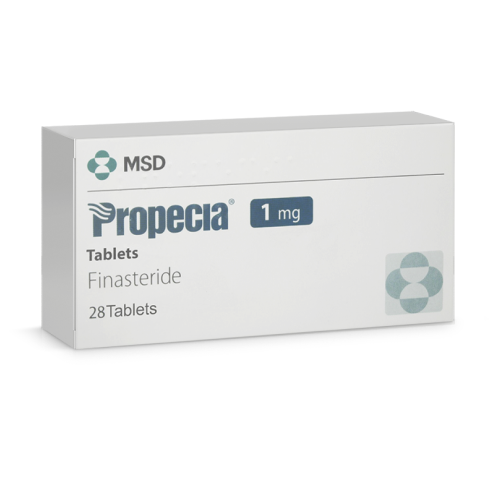
Buy Propecia Without Prescription in the United States Online
Propecia (finasteride) is a prescription medication used in the United States to treat male pattern hair loss. It works by blocking the hormone responsible for shrinking hair follicles, helping most men slow or reverse hair thinning. Before starting, know this: results take patience—most users wait at least three months for visible change, and some side effects can be subtle but significant.
The Propecia Moment: What Drives Men to This Decision?
It happens gradually, then suddenly. A widening part in the mirror. A photo that reveals more scalp than you remember. For many men in the United States, the decision to consider Propecia isn’t triggered by vanity—it’s about identity, control, and, sometimes, the unspoken pressure of looking younger in the workplace or dating world.
Before Propecia becomes an option, men often cycle through denial, creative combing, and an array of over-the-counter “remedies” that rarely deliver. By the time finasteride enters the conversation, the stakes feel personal, and the questions get sharper: Will this actually work for me? What am I risking for the chance to keep my hair? Am I too late? Or too early?
“I wasn’t losing hair—I was just styling it differently. Then my barber started mentioning it. That’s when I started Googling Propecia.”
Propecia isn’t for every type of hair loss. It’s not magic. But it is, for many, the first medication with robust clinical evidence behind it, FDA approval, and a track record stretching back over two decades in the United States. That combination—science, legitimacy, and real-world experience—explains why it’s become the reference point for prescription hair loss treatment.
Summary: Most men reach for Propecia after exhausting cosmetic fixes and quick fixes. The real draw? Evidence, FDA approval, and the hope of regaining not just hair, but confidence.
Does Propecia Deliver on Its Promise? What the Evidence—and Patients—Really Say
Finasteride, the active ingredient in Propecia, is not a new player in the world of hair loss. Its mechanism: block the conversion of testosterone to dihydrotestosterone (DHT), the hormone that shrinks scalp hair follicles in genetically susceptible men. Clinical trials show that most men taking Propecia see a halt in hair loss, and a significant portion experience regrowth—if they stick with it long enough. But evidence and experience are two different things.
Stat: In pivotal U.S. studies, over 80% of men taking Propecia for a year saw hair loss stop or slow. About two-thirds reported visible regrowth—usually most noticeable on the crown. (FDA)
What do patients actually notice? Many report the first sign is not new hair, but less hair on the pillow or in the shower drain. Regrowth, if it happens, is gradual—vellus hairs thickening at the crown, a denser appearance in certain lighting. Forehead recession is less responsive; Propecia is more reliable at preserving existing hair than reclaiming lost ground at the hairline.
Month 1-3: Little to no visible change; some men notice initial shedding (often temporary).
Month 4-6: Hair shedding slows; some “baby hairs” may appear on the crown.
Month 6-12: Regrowth for some; stabilization for most. Benefit is usually maximal at one year.
After 12 months: Continued benefit depends on continued use. Stopping leads to loss of gained hair within 9-12 months.
Not every patient is thrilled, and not every response matches the clinical trial curve. Some men see little visible change. Others become “hyper-responders.” Expectations are everything—Propecia is most powerful at slowing loss, not reversing it. And no oral medication is a guarantee.
Takeaway: Propecia delivers best for men who start early, target the crown, and stick with it. For those looking to reverse advanced recession, expectations should be measured.
How Propecia Stacks Up: Finasteride vs. Alternatives
Choosing a hair loss treatment in the United States is a crowded, sometimes confusing affair. Minoxidil is everywhere. Supplements promise the world. New oral drugs and procedures compete for attention. But only finasteride (Propecia) and minoxidil have FDA approval for male pattern hair loss. So how does Propecia truly compare—clinically, practically, and in everyday reality?
Attribute
Propecia (Finasteride)
Minoxidil (Topical)
Dutasteride (Off-label)
Approved Use (US)
Male pattern hair loss
Male/female pattern hair loss
Not FDA approved for hair loss
Main Mechanism
Inhibits DHT production
Promotes hair follicle blood flow
Stronger DHT inhibition
Evidence for Effectiveness
Strong; multiple RCTs, FDA approved
Moderate; FDA approved, less potent for men
Emerging; some studies suggest greater effect, but safety less established
Typical Results Timeline
3-6 months for visible effect
4-6 months; benefit peaks at 1 year
Similar to finasteride
Common Side Effects
Sexual dysfunction, mood changes, less often breast tenderness
Similar to finasteride, possibly higher risk for sexual side effects
Prescription Needed?
Yes
No
Yes (off-label use)
Typical Cost (US, per month)
$10-90 (generic/brand)
$20-30
$25-100+
Insurance Coverage
Rarely covered
Not covered
Rarely covered (off-label)
What stands out? Propecia brings the strongest evidence and a clear FDA approval for male pattern hair loss. Topical minoxidil is easier to access and can be combined with Propecia—but rarely matches its effect alone, especially for significant thinning. Dutasteride, while sometimes more potent, isn’t FDA approved for hair loss in the U.S. and has a less established safety record for this use.
Tip: Most U.S. dermatologists recommend starting with Propecia or minoxidil. Combination therapy can help, but always under a physician’s guidance.
Taking Propecia, Day to Day: From First Pill to First Results
Finasteride’s biggest challenge isn’t the science—it’s the wait. Swallowing a pill once a day is mechanically easy. Living through months with no visible improvement? That’s where most patients lose momentum. Here’s what your day-to-day with Propecia really looks like in the United States.
How to take it: One 1 mg tablet by mouth, once daily. Food doesn’t matter. Take it at the same time each day for best consistency.
What to avoid: Don’t double up if you miss a dose. Don’t handle broken tablets if pregnant or planning pregnancy (rare, but critical for household contacts).
What to expect: No hair gain overnight. Some men notice early shedding as older hairs are replaced by new growth cycles—a sign the drug is working, not failing.
Population
Recommended Dose
Adjustments Needed?
Most adult men with male pattern hair loss
1 mg once daily
No routine adjustment
Renal impairment
1 mg once daily
None required
Hepatic impairment
1 mg once daily
Caution—consult physician
Adolescents/Children
Not indicated
Do not use
No lab monitoring is required for routine users. You won’t need regular blood tests. However, if you have underlying liver disease, your doctor may recommend extra caution. And if you ever stop Propecia, expect any gained hair to be lost within a year—sometimes sooner.
Adherence
Taking your medication as prescribed, every day, without missed doses. For Propecia, consistent daily use is critical—skipping days can blunt the effect.
Which Side Effects Matter Most with Propecia—and When to Act
Sexual side effects dominate the conversation about Propecia in every U.S. clinic. The headlines, the internet forums—they focus here. But what do the numbers and real-world experience actually show?
“Most of my patients have heard about the sexual side effects before they walk in. What’s less understood is just how variable the risk is. For some, it’s zero; for others, it’s enough to stop the drug. We talk openly about what’s common, what’s rare, and what’s reversible—because anxiety alone can sometimes mimic the very symptoms men fear.”
Sexual dysfunction: Libido decrease, erectile difficulty, or reduced ejaculate volume affects 1-2 in 100 men, according to large U.S. studies. Most resolve after stopping. A small group (<1%) report persistent symptoms—though causality is debated and research is ongoing.
Mood changes: Some users report low mood or anxiety. The evidence is mixed and side effects are rare, but any change in mood warrants prompt medical input.
Breast changes: Rarely, men notice breast tenderness or swelling. Occasionally, a lump forms—always report this to your doctor.
Allergies: Rash, swelling, or difficulty breathing are extremely rare, but are medical emergencies.
Side Effect
Frequency
When to Contact a Doctor
Sexual dysfunction
1-2%
If symptoms persist or cause distress
Depressed mood
<1%
Any new or worsening symptoms
Breast tenderness/swelling
<1%
Always—rule out other conditions
Allergic reaction
Very rare
Immediately—emergency care
Persistent side effects after stopping
Rare; evidence mixed
If symptoms last >1 month after stopping
Most men tolerate Propecia without major problems. But for those who do experience side effects, the impact can be significant. The risk is small—but real. Individual sensitivity varies. Discuss any concerns with your doctor before starting and during treatment.
When Not to Take Propecia: Who Should Avoid or Reconsider It?
Absolute contraindications:
Women who are or may become pregnant (risk of birth defects from exposure to the active ingredient—even handling crushed tablets can be dangerous)
Children and adolescents (safety and efficacy not established)
Known allergy to finasteride or any ingredient in Propecia
Relative contraindications:
Severe liver disease (finasteride is metabolized in the liver—consult a specialist if uncertain)
History of prostate cancer (finasteride can affect PSA levels—discuss with your urologist if you have a history of prostate issues)
If you or someone in your household is pregnant, avoid even touching broken or crushed Propecia tablets. This risk is unique to finasteride and similar drugs. For men with liver impairment, use only under close medical supervision. And if you have a history of significant mental health issues, be alert for mood changes—though the direct link to finasteride is still debated in medical literature.
Propecia in the United States: Cost, Access, and the Prescription Maze
In the United States, Propecia is prescription-only. That means you’ll need to see a licensed healthcare provider—often a dermatologist or primary care doctor—to get started. The visit may be virtual or in-person, but a real physician must sign off before you can fill a prescription at any U.S. pharmacy, including online platforms.
Insurance coverage: Most U.S. health insurance plans do not cover Propecia or generic finasteride for hair loss, as this is considered a cosmetic indication. Expect to pay out of pocket, with prices ranging from about $10/month (for generic) to $90 or more (for brand-name Propecia). Pharmacy discount cards and price shopping can make a significant difference.
Pharmacy options: Any licensed U.S. pharmacy can dispense Propecia with a valid prescription. Telemedicine services increasingly offer online consults and prescription fulfillment, but always check that the provider and pharmacy are licensed in your state.
Brand vs. generic: Generic finasteride (1 mg) is clinically equivalent to Propecia, with the same active ingredient, efficacy, and safety profile. Most U.S. doctors prescribe generic unless the patient requests otherwise.
Regulatory oversight: The U.S. Food and Drug Administration (FDA) regulates all versions of finasteride for hair loss. Only FDA-approved products are legal to dispense for this purpose.
Many patients try to save money by splitting higher-dose (5 mg) finasteride tablets intended for prostate conditions. While this can work, do so only with your doctor’s guidance—tablet scoring and consistent dosing matter. Never share medication, and beware of overseas pharmacies selling unapproved versions—these may be counterfeit or unsafe.
Frequently Asked Questions about Propecia
How long does it take for Propecia to work?
Most men notice a reduction in hair shedding within 3-6 months. Significant regrowth, if it occurs, usually appears by 6-12 months. Results require daily use—progress reverses after stopping.
Do I need a prescription for Propecia in the United States?
Yes, Propecia and generic finasteride for hair loss require a prescription from a licensed healthcare provider in the U.S. This can be done in-person or via telemedicine.
What happens if I stop taking Propecia?
Any hair regrowth or stabilization gained from Propecia is typically lost within 9-12 months after stopping treatment. The process is gradual but consistent for most users.
Are side effects permanent?
Most side effects, including sexual side effects, resolve after stopping Propecia. A small number of men report symptoms lasting beyond discontinuation, though research is ongoing to clarify causes and risk factors.
Can women use Propecia for hair loss?
Propecia is not approved for use in women, and is contraindicated in women who are or may become pregnant due to risk of birth defects. Some doctors prescribe finasteride off-label for postmenopausal women, but this is uncommon and should be guided by a specialist.
Is generic finasteride as effective as Propecia?
Yes. Generic finasteride 1 mg is considered equivalent to brand-name Propecia for hair loss. The active ingredient, effect, and safety profile are the same.
Will Propecia affect my PSA test?
Yes. Propecia lowers prostate-specific antigen (PSA) levels by about 50%. Tell your doctor you are taking finasteride before any PSA blood test, as results must be adjusted for accurate interpretation.
Can I take Propecia with minoxidil?
Many doctors recommend combination therapy for greater benefit, especially in men with advanced hair loss. The two medications work in different ways and can be safely used together under medical supervision.
How do I know if Propecia is working?
The earliest sign is reduced hair shedding. Regrowth is gradual and subtle, most often seen at the crown. Clinical photos or regular self-monitoring can help track change over time.