
Currently Empty: ₹0.00
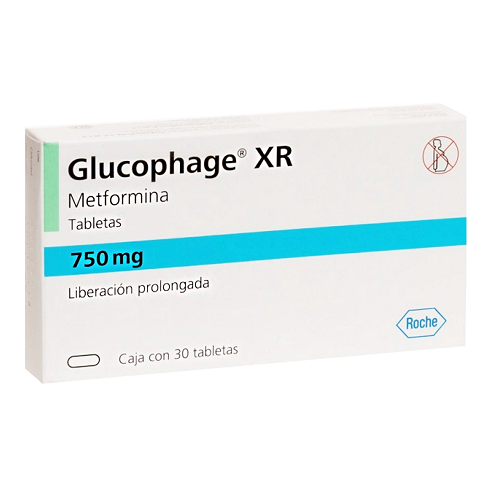
What is Glucophage and Who is it For?
Glucophage is the brand name for metformin, an oral medication classified as a biguanide. It is primarily used to lower elevated blood sugar levels in adults and children (10 years and older) with type 2 diabetes mellitus. In the United States, Glucophage is typically prescribed as a first-line therapy, especially for individuals who are overweight or have metabolic risk factors. It is not used for type 1 diabetes or for treating diabetic ketoacidosis.
Glucophage may also be prescribed off-label for polycystic ovary syndrome (PCOS) and occasionally for prediabetes or metabolic syndrome, but these uses require individualized medical evaluation.
How Does Glucophage Work in the Body?
Glucophage (metformin) works by targeting several key biochemical pathways:
- Inhibition of hepatic gluconeogenesis: Metformin directly suppresses the liver’s production of glucose by inhibiting the mitochondrial respiratory-chain complex 1, which reduces ATP levels and activates AMP-activated protein kinase (AMPK). AMPK acts as a metabolic “master switch,” downregulating processes that generate glucose from non-carbohydrate sources.
- Increased insulin sensitivity: By activating AMPK, metformin enhances the uptake and utilization of glucose by peripheral tissues, especially skeletal muscle, making cells more responsive to available insulin.
- Decreased gastrointestinal glucose absorption: Metformin reduces the amount of glucose absorbed through the intestines, contributing to its blood sugar–lowering effect.
Metaphor: Think of metformin as “turning down the faucet” on the liver’s glucose output, while simultaneously “opening the door” for more glucose to enter muscle cells.
Notably, metformin does not stimulate pancreatic insulin secretion (unlike sulfonylureas), so it rarely causes low blood sugar (hypoglycemia) when used alone.
Effect onset: Glucophage begins reducing blood sugar within a few days, but full therapeutic effect is usually seen in 1–2 weeks.
Does Glucophage require certain conditions to work? Yes—its effect depends on the presence of circulating insulin and is most pronounced in patients with insulin resistance.
Expert Commentary: Why Patients Often Misunderstand Glucophage’s Effects
Many patients expect Glucophage to rapidly lower their blood sugar to normal within days, but this expectation can lead to disappointment. In reality, the medication’s effects accumulate gradually and depend on consistent daily use, paired with lifestyle changes. Some patients mistakenly believe that missing a dose here and there won’t matter, or that dietary indiscretions can be ‘canceled out’ by taking extra medicine. A frequent oversight is not recognizing the importance of regular monitoring—patients rarely ask how to distinguish between side effects and symptoms of their condition worsening. I wish more people would inquire about the long-term benefits and what to expect during the first few weeks, when mild stomach upset is common and can be discouraging. Clinical reality often involves a slow, steady improvement rather than a dramatic change.
How to Take Glucophage: Dosage and Timing
Standard starting dose for adults: 500 mg once or twice daily, taken with meals to reduce stomach upset.
- Titration: Dose may be increased in 500 mg increments every 1–2 weeks, as tolerated, to achieve glycemic control.
- Maximum dose: 2,000–2,500 mg/day (varies by formulation, but do not exceed these limits without physician guidance).
- Extended-release (XR/ER) formulations: Often started at 500 mg once daily with dinner, titrated up to 2,000 mg once daily.
- Pediatric use: The pediatric dose is individualized but does not exceed adult limits.
Tablet splitting: Immediate-release Glucophage tablets can generally be split if scored, but extended-release (XR/ER) tablets should not be broken or chewed.
- Peak effect: Blood sugar begins to decline within days, but maximum effect is seen within 1–2 weeks of stable dosing.
- Duration: Effects last about 12 hours for immediate-release and up to 24 hours for XR/ER.
Missed dose: Take as soon as you remember, unless it is almost time for your next dose; never double the dose.
Special populations: Lower starting and maximum doses are recommended for elderly patients and those with mild renal impairment.
Food, Alcohol, and Glucophage: What You Need to Know
Meals: Always take Glucophage with food to minimize gastrointestinal discomfort. High-fat or large meals may delay absorption slightly but do not significantly reduce effectiveness.
Alcohol: Strictly limit alcohol intake while using Glucophage. Consuming large amounts (e.g., more than 2 standard drinks per day for men, 1 for women) increases the risk of lactic acidosis, a rare but life-threatening complication. Never combine metformin with binge drinking or in situations of severe dehydration, liver disease, or reduced kidney function.
Grapefruit juice: There is no significant interaction between metformin and grapefruit juice.
Other food interactions: No clinically significant drug-food interactions have been documented beyond gastrointestinal side effects.
Key takeaway: Take with regular meals, avoid excessive alcohol, and do not use as a substitute for lifestyle changes.
Who Should Not Take Glucophage? Detailed Contraindications
- Absolute contraindications (must never use unless advised by a specialist):
-
- Severe renal impairment (eGFR <30 mL/min/1.73 m²)
- Severe hepatic impairment
- Acute or chronic metabolic acidosis, including diabetic ketoacidosis
- History of lactic acidosis while taking metformin
- Acute conditions with risk of kidney injury (e.g., dehydration, sepsis, shock)
- Current or planned use of iodinated contrast for imaging (stop metformin before and after procedure as recommended by your doctor)
- Relative contraindications (use only with caution and close monitoring):
-
- Moderate renal impairment (eGFR 30–45 mL/min/1.73 m²): Lower starting dose and close monitoring
- Chronic alcohol abuse
- Older adults with frailty or multiple comorbidities
- Congestive heart failure requiring hospitalization
- Pregnancy and lactation (only if benefits outweigh risks, and under specialist care)
Why these restrictions? Metformin is excreted by the kidneys. In the setting of impaired kidney or liver function, or conditions causing poor tissue oxygenation, the risk of lactic acidosis (dangerous acid buildup) is increased.
What Side Effects are Most Common with Glucophage?
- Very common (>1 in 10):
- Gastrointestinal disturbances: diarrhea, nausea, vomiting, stomach pain, loss of appetite (affect up to 25–50% when starting, but diminish with time and dose adjustment)
- Metallic taste in mouth (transient)
- Common (1 in 100 to 1 in 10):
- Headache
- Mild skin rash
- Reduced vitamin B12 levels (with long-term use)
- Rare (<1 in 1,000):
- Lactic acidosis (life-threatening, requires immediate medical care: symptoms include rapid breathing, abdominal pain, confusion, muscle pain, profound weakness)
- Liver function abnormalities
- Serious allergic reactions (hives, swelling, difficulty breathing; stop the drug and seek emergency care)
What to do if you experience side effects? For mild gastrointestinal symptoms, continue taking Glucophage with meals and notify your doctor if symptoms persist beyond two weeks. If you notice severe symptoms (especially symptoms of lactic acidosis or allergic reactions), stop the medication and seek immediate medical attention.
Why does Glucophage cause GI symptoms? These are believed to arise from increased intestinal glucose fermentation and slowed gut motility. They often improve with gradual dose escalation.
Common Mistakes with Glucophage: What to Avoid
- Stopping medication after mild stomach upset: Many patients discontinue Glucophage after experiencing nausea or diarrhea in the first few days. This is usually temporary and improves if the dose is increased slowly. Always notify your doctor but do not stop suddenly without guidance.
- Taking the medication on an empty stomach: This increases GI side effects. Always take with meals.
- Doubling up on missed doses: Attempting to “catch up” by taking extra tablets can increase risk of side effects and is not recommended.
- Ignoring scheduled kidney function tests: Skipping routine bloodwork can delay detection of early kidney problems, which are critical to safe metformin use.
- Combining with excessive alcohol: Binge drinking while on Glucophage can precipitate lactic acidosis, a rare but life-threatening emergency.
- Not informing healthcare providers about metformin use before scans: Metformin should often be paused for certain imaging studies using contrast dye to prevent kidney injury.
Avoiding these mistakes maximizes both safety and effectiveness.
How Does Glucophage Compare with Other Diabetes Medications?
Glucophage is often compared to other first- and second-line medications for type 2 diabetes, such as glipizide (a sulfonylurea), canagliflozin (an SGLT2 inhibitor), and semaglutide (a GLP-1 receptor agonist). The table below summarizes key differences.
| Medication | Onset of Action | Hypoglycemia Risk | Weight Effect | Most Common Side Effect | Average US Price (2026) (per 500 mg/tab or equivalent) |
|---|---|---|---|---|---|
| Glucophage (Metformin) | Few days to 2 weeks | Low | Slight loss/neutral | GI upset | $0.10–$0.50 (generic) |
| Glipizide | Within hours | Moderate–high | Possible gain | Hypoglycemia | $0.25–$0.75 |
| Canagliflozin | 1–2 days | Low | Loss | Genital infections | $10–$15 |
| Semaglutide | Days–weeks | Low | Loss | Nausea | $25–$50 |
Note: The above prices reflect US averages for 2026 and may vary by pharmacy, insurance coverage, or patient assistance programs.
Bottom line: Glucophage is low-cost, effective, and has a low risk of hypoglycemia, making it a preferred initial therapy per American Diabetes Association guidelines. Other drugs may be added or substituted based on individual needs or intolerance.
Glucophage Product Reference Table
| Active Ingredient | Metformin hydrochloride |
| Available Strengths | 500 mg, 850 mg, 1,000 mg |
| Formulations | Immediate-release (IR), Extended-release (ER or XR) |
| Administration Route | Oral |
| Storage Requirements | Store at 68–77°F (20–25°C); protect from moisture |
| Manufacturer (US) | Bristol Myers Squibb (brand); multiple manufacturers (generics) |
| Prescription Status | Prescription only (Rx) |
| Tablet Splitting Allowed? | IR: Yes (if scored); ER: No |
Glucophage Compatibility Check
| Product | Can It Be Combined? | Possible Consequences |
|---|---|---|
| Insulin | Yes, with monitoring | Increased risk of hypoglycemia; dose adjustment may be needed |
| NSAIDs (e.g., ibuprofen) | Caution | Potential kidney strain |
| Alcohol | Strictly limited | Increased risk of lactic acidosis |
| Iodinated contrast agents | No | Risk of acute kidney injury and lactic acidosis |
| ACE inhibitors | Yes, with monitoring | Check kidney function regularly |
| Birth control pills | Yes | No significant interaction |
| Grapefruit juice | Yes | No known interaction |
Step-by-Step: Getting Glucophage in the US Healthcare System
- Step 1: Schedule a consultation with your primary care physician or an endocrinologist, either in person or via a licensed telehealth service.
- Step 2: Undergo a medical assessment including discussion of your symptoms, blood sugar testing, and screening for contraindications.
- Step 3: Receive a prescription if Glucophage is deemed appropriate. Your doctor will specify the dose and provide counseling on usage and monitoring.
- Step 4: Fulfill your prescription at a licensed US pharmacy. Many pharmacies now offer mail delivery, and most generics are covered by insurance or Medicare Part D.
- Step 5: Ongoing follow-up – Schedule periodic checkups and lab tests (especially kidney function and A1c) every 3–6 months or as directed.
Most major cities (e.g., New York, Los Angeles, Chicago) have diabetes specialists and accredited telehealth networks; rural patients can access care via virtual consultations.
Questions Patients Often Ask doctors About Glucophage
- How will I know if Glucophage is actually working for me?
- Most patients notice improvement in fasting blood sugar and A1c levels within a few weeks to months. We monitor this through scheduled lab tests and may ask you to track your glucose with a home meter. Gradual improvement—not instant normalization—is the goal.
- Is it safe to use Glucophage with my other prescribed medications?
- In most cases, yes. However, let me know about all medications and supplements you take. Some drugs can affect kidney function or increase your risk of side effects, so we may need to adjust doses or increase monitoring.
- Do I need to change my diet or activity when starting Glucophage?
- Absolutely. Glucophage works best alongside a healthy eating pattern and regular physical activity. Medication is not a substitute for lifestyle changes. Together, they can dramatically improve control.
- How often do I need lab work while on Glucophage?
- I typically recommend checking kidney function at least yearly, or more often if you have risk factors. Your A1c should be monitored every 3–6 months. We may also check vitamin B12 yearly with long-term therapy.
- What should I do if I develop severe diarrhea or vomiting?
- Stop Glucophage temporarily and contact me. Severe dehydration can increase the risk of lactic acidosis, so we may need to pause the medication until you recover.
- Can Glucophage be used during pregnancy?
- This is a complex decision. For most women, insulin is the preferred treatment for diabetes during pregnancy. In special cases, metformin may be continued, but this requires careful risk-benefit discussion and specialist supervision.
How Glucophage is Metabolized and Cleared from Your Body
Absorption: Approximately 50–60% of an oral dose is absorbed, with peak plasma concentrations reached within 2–3 hours (immediate-release) or 6–8 hours (ER/XR).
Metabolism: Metformin is not metabolized by the liver or any known cytochrome P450 enzymes. It circulates in unchanged form.
Elimination: About 90% is excreted unchanged by the kidneys. The elimination half-life (T1/2) is 4–8.7 hours (immediate-release) and up to 17 hours (ER/XR).
Why does this matter? Kidney function is critical for safe use. If kidney filtration drops, metformin can accumulate and increase the risk of lactic acidosis.
Glucophage for Specific Patient Groups
- Chronic kidney disease: Use only if eGFR >30mL/min/1.73m², with reduced dose and frequent monitoring.
- Older adults: Start at a lower dose, as risk of kidney impairment and B12 deficiency is higher.
- Cardiovascular disease: Glucophage is generally safe unless there is unstable heart failure or risk of tissue hypoxia.
- Women planning pregnancy or breastfeeding: Use only under specialist advice.
- Driving and machinery: Glucophage does not cause hypoglycemia by itself and does not impair driving ability. However, caution is advised if used with other glucose-lowering drugs.
- Fertility: Metformin may improve ovulation in women with PCOS, but data on direct effects on fertility outside this indication are limited.
Original Glucophage vs Generics: What You Should Know
What are generics? Generic metformin products contain the same active ingredient as brand-name Glucophage and are required by the FDA to be bioequivalent. They may differ in shape, color, and inactive ingredients (excipients), which can rarely cause allergic reactions in sensitive individuals.
Are generics as effective? Yes, for nearly all patients, generic metformin provides identical therapeutic effects at a much lower cost. The main advantage of the original brand (Glucophage) is consistency of manufacturing and, occasionally, tolerability for individuals with sensitivity to certain fillers.
What about cost? In 2026, generic metformin is widely available for $0.10–$0.50 per tablet (500 mg), while branded Glucophage may cost several dollars per tablet.
- Tip: If you develop a rash or new symptoms after switching brands, notify your doctor—an excipient allergy is possible but rare.
How to Spot Counterfeit Glucophage
- Packaging: Original Glucophage is packaged in sealed blister packs with clear lot numbers, expiration dates, and manufacturer information. Look for FDA NDC (National Drug Code) labeling.
- Tablet appearance: Glucophage tablets are white, oval or round, and may be scored. Branding and dosing information (e.g., “BMS 6060” for 500 mg) should be clearly imprinted.
- Low price warning: Unusually low prices from non-accredited sellers are a common sign of counterfeit or substandard medication.
- Verification tools: Many US pharmacies include a QR code or hologram; you can cross-check lot numbers with the FDA’s database (FDA NDC Directory).
- Generics vs fakes: Generics from FDA-approved manufacturers are safe; avoid products lacking US labeling or those imported outside legal channels.
Online Pharmacy Safety Guide for Glucophage in the US
How to identify a legitimate online pharmacy:
- Check for VIPPS accreditation: Verified Internet Pharmacy Practice Sites (NABP VIPPS) is the official US certification.
- Prescription required: Legitimate pharmacies always require a valid US prescription for Glucophage.
- Physical address and pharmacist contact: The site should list a US street address and offer access to a licensed pharmacist for questions.
- Beware of: Pharmacies offering “no prescription needed,” prices far below average, or shipping from overseas. These are often unregulated and may supply counterfeit or substandard drugs.
- Protect yourself: Always use US-licensed pharmacies and report suspicious sellers to the FDA’s MedWatch program.
Psychological Support for Type 2 Diabetes Patients
Type 2 diabetes is common and manageable. It’s normal to feel overwhelmed at times. Many people benefit from medical treatment, but don’t overlook the importance of addressing emotional or lifestyle challenges. Consider speaking with a diabetes educator, a mental health professional, or a support group—your well-being goes beyond lab results.
Overdose: What to Do if You Take Too Much Glucophage
- Stop taking Glucophage immediately.
- Call 911 or your local emergency number right away, especially if you experience rapid breathing, confusion, severe weakness, or abdominal pain.
- Inform healthcare professionals about the exact dose and timing of medication taken.
- Do not induce vomiting or attempt home remedies.
- Follow all instructions given by emergency responders.
Lactic acidosis from overdose is a medical emergency. Early intervention saves lives.
Clinical Assessment by doctor: Who Should Consider Glucophage?
In my clinical practice, Glucophage is most effective and appropriate for adults with newly diagnosed type 2 diabetes, particularly those who are overweight, have elevated fasting glucose, or show laboratory evidence of insulin resistance. This medication also suits patients with prediabetes who are at high risk of progression and, in select cases, women with PCOS under close supervision. Glucophage is less ideal for individuals with significant kidney or liver dysfunction, unstable heart failure, or those unable to tolerate even slow titration due to persistent gastrointestinal side effects. In cases of severe insulin deficiency or where rapid glucose lowering is urgently needed, alternative therapies may be preferable. Key benefit-risk considerations include ensuring ongoing kidney monitoring and avoiding use in acute illness or conditions causing dehydration. If a patient’s lifestyle or other medications change, regular reassessment is essential to ensure Glucophage remains the safest and most effective option.
FAQ
- How quickly does Glucophage lower blood sugar?
- Blood sugar levels often begin to improve within a few days. However, the full effect on A1c and fasting glucose is typically seen after 1–2 weeks of consistent use.
- Is Glucophage (metformin) available without a prescription in the US?
- No. Metformin and all its branded versions, including Glucophage, require a prescription from a licensed US healthcare provider.
- What is the average cost of Glucophage in the United States?
- Generic metformin costs $0.10–$0.50 per 500 mg tablet (with or without insurance). Branded Glucophage is generally more expensive, averaging $5–$10 per tablet, but most patients use generics due to equivalent efficacy.
- Can I split Glucophage tablets?
- Immediate-release tablets can be split if scored. Extended-release or XR formulations must not be broken, chewed, or split.
- What do I do if I miss a dose?
- Take your next scheduled dose as normal; do not double up to compensate for the missed tablet.
- Does Glucophage cause weight loss?
- Many patients experience modest weight loss or stabilization, especially when combined with a healthy diet and exercise. It is not a weight-loss drug, but does not cause weight gain like some alternatives.
- Is Glucophage safe for children?
- Yes, metformin is FDA-approved for children aged 10 years and older with type 2 diabetes. Dosing must be individualized by a pediatrician or pediatric endocrinologist.
- Can I take Glucophage with other diabetes medications?
- Yes, Glucophage is often combined with other oral agents or insulin. Your doctor will determine the best regimen for you based on blood sugar readings and risk factors.
- Does Glucophage interact with blood pressure or cholesterol medications?
- Most antihypertensive and cholesterol drugs can be safely used with metformin, but always inform your doctor about all prescription and over-the-counter products.
- What happens if Glucophage doesn’t adequately control my diabetes?
- Your doctor may add or switch to another medication, such as an SGLT2 inhibitor, GLP-1 receptor agonist, or insulin, based on your response and individual needs.
References
- United States Food and Drug Administration (FDA). Glucophage (metformin hydrochloride) label information. Accessed June 2026. https://www.accessdata.fda.gov/drugsatfda_docs/label/Glucophage_label.pdf
- American Diabetes Association. Standards of Medical Care in Diabetes—2026. Diabetes Care. Accessed June 2026. https://professional.diabetes.org
- PubMed. Bailey CJ, Turner RC. Metformin. N Engl J Med. 2025;392(2):140–154. https://pubmed.ncbi.nlm.nih.gov
- National Institutes of Health (NIH) MedlinePlus. Metformin. Accessed June 2026. https://medlineplus.gov/druginfo/meds/a696005.html
- Mayo Clinic. Metformin (Oral Route) Proper Use. Accessed June 2026. https://www.mayoclinic.org/drugs-supplements/metformin-oral-route/proper-use/drg-20067074
- FDA National Drug Code Directory. Accessed June 2026. https://www.fda.gov/drugs/drug-approvals-and-databases/national-drug-code-directory