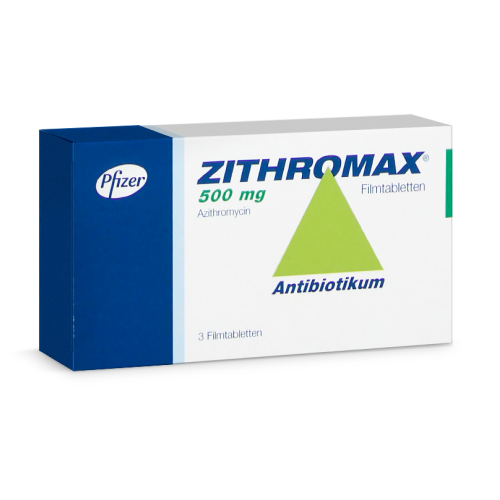
Zithromax (Azithromycin) in the United States: Comprehensive Clinical Guide 2026
Can Zithromax be obtained without a prescription in the United States?
Zithromax (Azithromycin) is a prescription-only antibiotic in the United States. It cannot be legally purchased or dispensed without a valid prescription issued by a licensed healthcare provider. Over-the-counter sale is not permitted.
Key Takeaways: What You Need to Know About Zithromax
- Zithromax is most suitable for bacterial infections such as respiratory, skin, ear, and some sexually transmitted infections—never for viral illnesses.
- Typically, patients experience improvement within 2–3 days, but full treatment duration must be completed to ensure effectiveness.
- A prescription from a U.S.-licensed healthcare provider is always required for Zithromax.
- The most important safety consideration: Zithromax can cause serious heart rhythm disturbances in at-risk individuals; always inform your doctor of any heart conditions before starting therapy.
- If you experience severe diarrhea, allergic reaction, or any unusual symptoms, seek medical attention immediately.
- Do not stop the medication early—even if you feel better—unless your doctor tells you to do so.
How Does Zithromax Work in the Body?
Zithromax contains Azithromycin, a macrolide antibiotic. It inhibits bacterial protein synthesis by binding to the 50S ribosomal subunit, specifically preventing the translocation step required for peptide elongation. This action blocks bacteria from producing essential proteins, halting their growth and ultimately leading to their death (bacteriostatic, sometimes bactericidal at higher concentrations or for certain organisms).
Unlike many antibiotics, Azithromycin has a unique tissue distribution: it accumulates in high concentrations within white blood cells and infected tissues, achieving prolonged therapeutic levels even after dosing is complete. This is why Zithromax can often be given in shorter courses than other antibiotics.
Metaphor: Imagine the bacteria as a factory that must produce parts to survive. Zithromax blocks the assembly line, so the factory can no longer make the parts it needs, and eventually, the factory shuts down.
Zithromax works independently of the patient’s immune response, but clear benefits are seen when therapy is started early in the infection course.
Myth vs Reality:
Myth: “Zithromax is effective against all infections.”
Reality: Zithromax only treats bacterial infections and is completely ineffective against viruses such as those causing the common cold or flu.
Why Patients Often Misjudge How Zithromax Should Work
Physician’s Perspective: In my practice, I often see patients expecting Zithromax to bring immediate relief, sometimes within hours. It’s important to understand that while many patients start to feel better after a couple of days, antibiotics like Azithromycin don’t instantly “kill” bacteria; rather, they stop the bacteria from multiplying, and then the body’s immune system clears the infection. Another frequent misconception is stopping the medication as soon as symptoms improve—a major risk for treatment failure or resistance. Patients rarely ask about the importance of completing the full course, or about potential heart-related side effects, even when these could be significant. It’s crucial to discuss these realities before starting treatment to align expectations with actual clinical outcomes.
How Should Zithromax Be Taken? Dosage, Duration, and What to Expect
Typical adult dosage for respiratory tract infections: 500 mg as a single dose on day 1, followed by 250 mg once daily on days 2–5. For some infections (e.g., certain sexually transmitted diseases), a single 1,000 mg (1g) dose may be prescribed.
- Maximum recommended dose: Do not exceed 500 mg daily for standard infections unless directed by a physician.
- Children: Dosage is based on body weight: typically 10 mg/kg on day 1, then 5 mg/kg on days 2–5.
- Elderly or those with mild kidney/liver impairment: Usually, no dose adjustment is needed, but your doctor will assess risks individually.
- Can tablets be split? Zithromax tablets are film-coated and are not designed to be split. Always follow physician or pharmacist guidance.
Peak effect: Therapeutic tissue levels are reached within a few hours, but symptomatic improvement is usually seen within 24–72 hours. The drug remains active in the body for several days after the last dose, supporting shorter treatment regimens.
Important: Always complete the full prescribed course—even if you feel better—to prevent relapse and reduce resistance risk.
How Do Food, Alcohol, and Lifestyle Choices Affect Zithromax?
-
Food: Zithromax absorption is slightly reduced when taken with food, especially high-fat meals. For optimal absorption, take it at least 1 hour before or 2 hours after eating.
-
Alcohol: Moderate alcohol consumption is not strictly contraindicated, but is best avoided during antibiotic therapy to minimize gastrointestinal irritation and support the immune response. No direct dangerous interaction is known.
-
Grapefruit juice: Does not significantly interact with Azithromycin, unlike some other medications.
-
Dairy products: Do not affect Azithromycin absorption.
Quick Insight: If you experience stomach upset, taking Zithromax with a light meal may help, but be aware this can slightly delay absorption.
Zithromax Compatibility with Other Common Products
| Product Type |
Can It Be Combined? |
Possible Consequences |
| Paracetamol (acetaminophen) |
Yes |
No significant interaction |
| Ibuprofen |
Yes |
No significant interaction |
| Warfarin |
With caution |
May increase bleeding risk; monitor INR |
| Antacids (aluminum/magnesium) |
Separate by at least 2 hours |
May reduce Zithromax absorption |
| Simvastatin (statins) |
With caution |
Rare muscle toxicity risk |
| Other macrolide antibiotics |
No |
Increased risk of side effects; avoid duplication |
Who Should Not Take Zithromax? Contraindications and Precautions
- Absolute Contraindications
-
- Known allergy to Azithromycin, erythromycin, or other macrolide antibiotics: Risk of severe allergic reaction.
- History of cholestatic jaundice or hepatic dysfunction linked to prior azithromycin use: May provoke repeat liver injury.
- Co-administration with certain drugs that prolong the QT interval (e.g., specific antiarrhythmics like dofetilide or sotalol): Strictly prohibited due to life-threatening arrhythmia risk (torsades de pointes).
- Relative Contraindications or Cautions
-
- Severe liver impairment: Azithromycin is metabolized in the liver; accumulation may occur.
- History of cardiac arrhythmias or prolonged QT interval: Increased risk of potentially fatal rhythm disturbances.
- Myasthenia gravis: May worsen muscle weakness.
- Renal impairment: Dosage adjustment is rarely needed, but caution is advised in severe cases.
After a heart attack or acute coronary event: Zithromax may be considered only several months later and under strict physician supervision due to potential cardiac risk.
Important: Always inform your healthcare provider about all your medications and medical history to avoid dangerous interactions.
What Side Effects Are Most Common with Zithromax?
Side effects are grouped by frequency, following WHO classification.
- Very Common (>1/10)
-
- Diarrhea, nausea, abdominal pain (due to alteration of gut flora and motility)
- Common (1/100–1/10)
-
- Vomiting
- Headache
- Dizziness
- Transient elevation of liver enzymes
- Rare (1/10,000–1/1,000)
-
- Hearing disturbances (tinnitus, hearing loss—usually reversible)
- Skin rash or itching
- Very Rare (<1/10,000)
-
- Severe allergic reaction (anaphylaxis)
- Serious heart rhythm disturbances (QT prolongation, torsades de pointes)
- Severe liver injury (fulminant hepatitis)
- Stevens-Johnson syndrome/toxic epidermal necrolysis
If you notice any of the following, stop taking Zithromax and seek emergency care: difficulty breathing, facial swelling, severe rash, jaundice (yellowing of skin/eyes), palpitations, fainting.
Patient Pitfalls: Common Mistakes That Reduce Zithromax Effectiveness
-
Stopping the course early: Many patients discontinue Zithromax after symptoms improve. This increases the risk of recurrence and antibiotic resistance. Always finish the prescribed course.
-
Taking antacids too close to dosing: Some take magnesium/aluminum antacids with Zithromax, lowering its absorption. Keep at least a 2-hour interval between them.
-
Double-dosing after a missed dose: Attempting to “make up” for a missed dose by doubling up increases side effect risk. Take the next dose as scheduled—do not double.
-
Using Zithromax for viral illnesses: Self-treating colds or the flu with leftover antibiotics is ineffective and dangerous. Never use antibiotics without professional guidance.
-
Ignoring possible interactions: Failing to mention medications that prolong the QT interval can result in serious heart risks. Always disclose your full medication list to your provider.
How Does Zithromax Compare to Other Antibiotics?
| Antibiotic |
Typical Indications |
Onset Speed |
Duration of Therapy |
Common Side Effects |
Approx. Price per Course (USD) |
| Zithromax (Azithromycin) |
Respiratory, skin, some STIs |
24–48 hours |
3–5 days |
GI upset, QT prolongation |
$15–$30 (generic); $60–$80 (brand) |
| Amoxicillin |
Respiratory, urinary, ENT |
12–24 hours |
7–10 days |
GI upset, rash |
$10–$20 (generic) |
| Doxycycline |
Respiratory, STIs, acne |
24–48 hours |
7–14 days |
GI upset, photosensitivity |
$12–$25 (generic) |
Bottom line: Zithromax offers shorter treatment courses and convenient dosing, but is costlier than some alternatives and carries a unique risk of heart rhythm disturbances.
Zithromax Product Characteristics Table
| Active Ingredient |
Azithromycin |
| Available Formulations |
Tablets (250 mg, 500 mg), oral suspension (100 mg/5 mL, 200 mg/5 mL), IV solution (hospital use) |
| Usual Adult Dose |
500 mg day 1, then 250 mg days 2–5 |
| Half-life (T1/2) |
~68 hours |
| Metabolism |
Primarily hepatic (liver) |
| Elimination |
Biliary (feces, ~50%), renal (urine, ~6%) |
| Storage |
Room temperature, away from moisture |
| Manufacturer(s) |
Pfizer (original); wide range of generic manufacturers |
How Is Zithromax Processed and Eliminated by the Body?
Absorption: Zithromax is well absorbed orally, especially on an empty stomach. Peak blood levels are reached within 2–3 hours.
Distribution: It rapidly leaves the bloodstream and concentrates in infected tissues and inside white blood cells, allowing long-lasting activity.
Metabolism: The liver metabolizes Azithromycin, but most of the drug is not changed before being excreted.
Elimination: About 50% leaves the body in the stool (bile), and about 6% is excreted in urine. The elimination half-life is approximately 68 hours, explaining once-daily dosing and “tail” activity after the last dose.
Key point: Patients with severe liver disease may accumulate the drug and are at higher risk for side effects.
What Should I Know About Zithromax If I Have Other Health Conditions?
-
Older adults: May be at higher risk for heart rhythm problems, especially with pre-existing cardiac conditions.
-
Chronic liver disease: Use with caution or avoid; discuss with your doctor.
-
Kidney impairment: No dose adjustment for mild-to-moderate dysfunction; severe cases require careful monitoring.
-
Pregnancy and breastfeeding: Classified as Pregnancy Category B. Generally considered safe, but always consult your obstetrician.
-
Fertility: No known effect on male or female fertility.
-
Driving/operating machinery: Zithromax rarely impairs alertness, but dizziness or fatigue may occur.
How to Recognize Authentic Zithromax and Understand Generic Alternatives
Original Zithromax (by Pfizer) comes in factory-sealed blister packs or bottles, with clear labeling, batch number, and expiration date. U.S. packaging typically features a QR code or hologram, and always contains a package insert. The tablets are film-coated, oblong, and usually pink or blue, with clear imprinting.
Generics: Since the Zithromax patent expired, many FDA-approved generics are available (e.g., from Teva, Sandoz, or Mylan). Generics contain the same active ingredient, are regulated for bioequivalence, and are generally as effective as the original. Inactive ingredients (fillers, coloring agents) may differ and can rarely cause allergies.
-
Counterfeit warning signs: Unusually low price, poor-quality printing, lack of batch number or tamper-evident seal, foreign-language labeling, or non-U.S. pharmacy sources.
-
Safety tip: Only obtain Zithromax from licensed U.S. pharmacies. If in doubt, check for FDA approval and ask your pharmacist for verification.
Myth vs Reality:
Myth: “Generics are less effective or less safe.”
Reality: FDA-approved generics are held to the same quality and effectiveness standards as branded Zithromax.
Quality Checklist: Verifying Your Zithromax in the United States
- Packaging: Should be factory-sealed, intact, and carry the manufacturer’s name, batch number, and expiration date.
- Tablet appearance: Typically oblong, film-coated, and color varies by manufacturer (white, pink, or blue). Imprint should be clear and consistent.
- Labeling: Must be in English and include clear dosing instructions, ingredient list, and FDA approval marking.
- QR code or hologram: Presence on packaging is common in U.S. products for authentication.
- Suspiciously low pricing: Often signals a counterfeit product—always compare to standard pharmacy prices.
If you suspect your product is counterfeit, do not use it and report it to the FDA’s MedWatch program.
How to Identify Safe and Legitimate Online Pharmacies in the United States
-
Look for pharmacy accreditation: Only use sites accredited by the National Association of Boards of Pharmacy (NABP). .pharmacy or VIPPS-certified sites are preferred.
-
Physician consultation required: Legitimate online pharmacies always require a valid U.S. prescription before dispensing Zithromax.
-
Contact information: The pharmacy should clearly display a U.S. physical address and phone number.
-
Warning signs of unsafe sellers: No prescription required, prices far below market, foreign sources, lack of regulatory information, or no pharmacist availability.
-
Consumer protection: Orders shipped from outside the U.S. may be seized by customs and can pose safety risks. FDA does not guarantee the quality of imported products.
For more information, consult the FDA guide to safe online pharmacies.
What Should I Do If I Take Too Much Zithromax?
- Stop taking Zithromax immediately.
- Call emergency services (911) or go to the nearest emergency room.
- Tell medical professionals exactly how much was taken and when.
- Bring the medication packaging with you, if possible.
- Do not attempt to induce vomiting unless instructed by a healthcare professional.
Symptoms of overdose may include: severe nausea, vomiting, diarrhea, hearing loss, or abnormal heart rhythms.
How Can I Get a Legitimate Zithromax Prescription and Medication in the United States?
- Schedule a consultation with a licensed healthcare provider in-person or via telemedicine (available in all 50 states).
- Undergo a medical evaluation, including discussion of symptoms, possible infection, medical history, and current medications.
- If indicated, your provider will issue an electronic prescription (eRx) sent directly to your chosen pharmacy.
- Fill the prescription at a licensed U.S. pharmacy (retail or online with proper accreditation).
- Pharmacist counseling: You may receive advice on usage, interactions, and side effects before receiving your medication.
- Follow up with your provider if symptoms do not improve or if you experience any side effects.
Managing Infections: You’re Not Alone
Bacterial infections commonly affect people of all ages and backgrounds. If you’re feeling anxious about your diagnosis or treatment, remember that these conditions are treatable and support is available. If you have ongoing concerns or psychological distress, consider discussing your feelings with a healthcare professional or a trusted partner.
Questions Patients Often Ask During Zithromax Treatment: Clinical Insights from doctor
- How quickly should I expect Zithromax to start working?
- Most patients begin to feel improvement within 24–72 hours, but individual response varies depending on the infection and overall health.
- Is it normal to still have some symptoms after finishing the course?
- Mild lingering symptoms can persist, especially cough or fatigue after respiratory infections. If key symptoms do not improve or worsen, follow up with your physician.
- What if my infection returns after completing Zithromax?
- Relapse may indicate resistance or an alternative diagnosis. Contact your doctor for reassessment—repeat or different antibiotics may be needed.
- Is it safe to take probiotics or yogurt during my antibiotic course?
- Yes, probiotics and yogurt may help reduce GI side effects, but should not be taken simultaneously with Zithromax—separate by at least 2 hours.
- Should I avoid sun exposure when taking Zithromax?
- Unlike some antibiotics (e.g., doxycycline), Zithromax does not cause photosensitivity. Standard sun precautions are sufficient.
- How do you monitor if Zithromax is working?
- Improvement is judged by symptom relief, temperature normalization, and physical findings. For some infections, follow-up tests may be needed to confirm cure.
- If I develop diarrhea during treatment, what should I do?
- Mild diarrhea is common. However, if you have severe or bloody diarrhea, stop the medication and contact your doctor promptly, as this may signal a serious complication (C. difficile infection).
doctor’s Clinical Assessment: Who Benefits Most from Zithromax, and When Should Alternatives Be Considered?
As a physician, I find Zithromax (Azithromycin) to be most appropriate for patients with uncomplicated respiratory tract infections, skin infections, or specific sexually transmitted infections, especially when patient adherence is a concern—its short, once-daily courses offer a real advantage. It’s a strong choice for penicillin-allergic individuals and in situations where tissue penetration is critical. However, I’m cautious in older adults, patients with known cardiac arrhythmias, or those taking other QT-prolonging drugs; in these scenarios, alternatives such as doxycycline or amoxicillin may present a safer profile. For sinus infections or persistent bronchitis, I carefully weigh the local resistance patterns before prescribing Azithromycin. If a patient fails to improve after a full course, or if lab testing suggests resistance, switching antibiotics or further diagnostic workup is essential. Ultimately, the choice is individualized—balancing efficacy, safety, and the risk of resistance.
Frequently Asked Questions About Zithromax in the United States
- Is Zithromax effective against COVID-19 or viral infections?
- No, Zithromax does not treat viral infections including COVID-19, the flu, or the common cold. It is only effective for specific bacterial infections.
- What are the most important side effects I should look out for?
- Diarrhea, nausea, and abdominal pain are most common. Rare but serious effects include allergic reactions, jaundice, and abnormal heart rhythms. Seek urgent care for severe symptoms.
- How much does Zithromax cost in the United States?
- Generic versions usually cost $15–$30 per standard course, while the brand-name product costs $60–$80 per course. Prices may vary by pharmacy and insurance coverage.
- Can I order Zithromax online?
- Yes, but only from licensed U.S. pharmacies with a valid prescription. Avoid sites that sell without a prescription or offer unusual pricing.
- Do I need a prescription for Zithromax in the U.S.?
- Yes, Zithromax requires a prescription from a licensed healthcare provider in all states.
- How long should I take Zithromax?
- Most courses last 3–5 days, but your doctor will specify the exact duration based on your infection type and health status.
- Does insurance cover Zithromax?
- Most U.S. health insurance plans and Medicare/Medicaid cover generic Azithromycin; co-pays may apply depending on your plan.
- Can I take Zithromax with birth control pills?
- Yes, Zithromax does not reduce the effectiveness of birth control pills.
- What should I do if I miss a dose?
- Take the missed dose as soon as you remember, unless it’s almost time for your next dose. Do not double up doses. Continue the schedule as directed.
- Is Zithromax safe for children?
- Yes, Zithromax is commonly prescribed for children, with dosing based on weight and infection type. Always use the pediatric formulation and follow your doctor’s instructions exactly.