
Currently Empty: ₹0.00
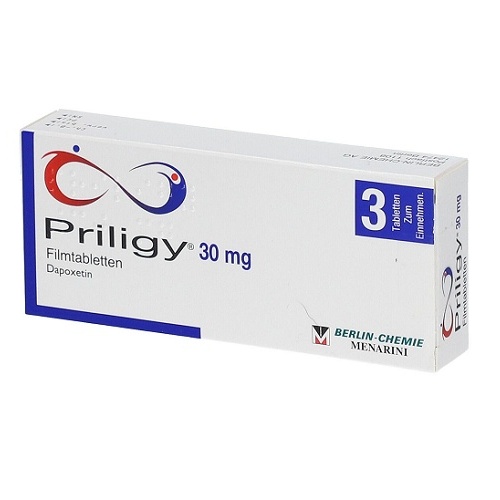
It’s 7pm and You’re Thinking About Priligy: Why This Moment Matters
There’s a particular hour—often in the quiet between dinner and night—when a decision about Priligy becomes more than academic. Maybe you’ve searched for solutions before, tried behavioral tips, or heard about “SSRIs” from a friend. There’s anticipation, hope, and a trace of skepticism. Will this pill actually change things?
Priligy, known generically as dapoxetine, is not a household name in the United States. It’s not the first thing your doctor reaches for, nor does it fit the usual mold of “daily” pills for sexual health. What it offers is something different: on-demand action, designed for the hours—not weeks—before sex. That difference is not cosmetic. It shapes everything from how you plan for intimacy to how you weigh side effects against benefits.
The fact that you’re considering Priligy at this particular moment, rather than in the abstract, speaks to the real-life stakes of premature ejaculation. For men who’ve felt frustration, embarrassment, or distance in relationships because of this condition, the decision to seek treatment is personal—sometimes private, sometimes shared with a partner, always heavy with expectation. Every detail about Priligy’s effect, access, and trade-offs lands differently when it’s not just theory, but your next step.
💡
Clinical Tip: Priligy is not a cure—it’s a tool for managing a specific moment. The benefit is in the timing: take it only when needed, never as a daily routine.
What Real Patients Expect—And What Priligy Actually Delivers
The most common hope is simple: that Priligy will give you enough control to change how you and your partner experience sex. You may have read stories online, or seen claims about doubling or tripling “time to ejaculation.” But real-world results are rarely so straightforward.
Clinical studies suggest Priligy can increase intravaginal ejaculation latency time (the medical term for how long you last) by two to three times compared to baseline [FDA]. For some, that’s the difference between constant anxiety and real satisfaction. For others, it might mean only a modest improvement, or none at all.
- Most patients report increased control—not just longer duration, but the feeling they can delay climax if they need to.
- Partners often notice less frustration, more mutual enjoyment, and reduced tension.
- Not everyone responds. About one in four men will see little or no benefit, even with perfect use.
“In my practice, men who do best with Priligy are those who want flexibility—who don’t want a daily commitment but need something reliable for those high-stakes moments. I always emphasize: This isn’t the same as long-term antidepressants, and it’s not a magic fix. Set your expectations accordingly.”
What’s missing from many conversations is this: Priligy is not a confidence pill. It cannot fix relationship dynamics or anxiety by itself. But for men who fit the clinical profile—true premature ejaculation, not just occasional quickness—it can be a game-changer, even if the effect is subtle. Setting expectations right is half the battle.
About 1 in 3 men using Priligy in studies report “much” or “very much” improved satisfaction—a number similar to, but not dramatically better than, some alternatives.
How Priligy Works: Dapoxetine’s Unique Role in Premature Ejaculation
Dapoxetine is not just another SSRI—though it’s related to drugs like sertraline or paroxetine, which you may know as antidepressants. The difference is speed. Priligy is designed to be absorbed quickly, reach peak blood levels fast, and leave your system within a day. When you take it one to three hours before sex, it targets the serotonin circuits that help control ejaculation reflexes, without the weeks-long wait and daily dosing of standard SSRIs.
Most SSRIs require daily administration and are prescribed for depression, anxiety, or obsessive-compulsive disorder. Dapoxetine was developed specifically for on-demand use in premature ejaculation—and that purpose shapes every aspect of its effect, safety, and convenience. Here’s how the mechanism translates into daily life:
- Dapoxetine’s onset:
- Fast—typically 1 to 2 hours, aligning with anticipated sexual activity.
- Duration of effect:
- Short. Most effects wane after 8-12 hours, minimizing the risk of lingering side effects the next day.
- Metabolism:
- Cleared rapidly, so you don’t accumulate drug levels with repeated use.
📖
Definition: SSRIs (Selective Serotonin Reuptake Inhibitors) are a class of drugs that increase serotonin levels in the brain. Dapoxetine is unique among SSRIs for its quick action and short duration, making it suitable for as-needed dosing in premature ejaculation.
This swift action means Priligy is less likely to cause the persistent sexual side effects (like decreased libido or erectile dysfunction) that can trouble men on daily SSRIs. However, it also means you must plan ahead. Forget to take it with enough lead time, and you may miss the window for benefit.
Priligy vs. the Competition: What Sets It Apart (and What Doesn’t)
| Medication | Active Ingredient | How Taken | Onset/Duration | Effectiveness Evidence | Common Side Effects | Prescription Status (US) |
|---|---|---|---|---|---|---|
| Priligy | Dapoxetine | As needed, 1-3 hours before sex | Onset: 1-2h Duration: up to 12h |
Good (FDA: off-label use) Rapid action |
Nausea, headache, dizziness | Prescription only |
| Sertraline (Zoloft) | Sertraline | Daily | Onset: weeks Duration: ongoing |
Moderate (off-label) | Sexual dysfunction, drowsiness | Prescription only |
| Paroxetine (Paxil) | Paroxetine | Daily | Onset: weeks Duration: ongoing |
Moderate (off-label) | Sexual dysfunction, weight gain | Prescription only |
| Topical anesthetic (lidocaine/prilocaine) | Lidocaine/prilocaine | Applied to penis before sex | Onset: 10-30m Duration: 30-60m |
Some (symptom relief) | Numbness, transfer to partner | OTC or prescription |
| Tramadol | Tramadol | As needed | Onset: 1h Duration: several hours |
Some (off-label, not first-line) | Drowsiness, risk of dependence | Prescription only (controlled) |
Interpretation: Priligy’s main difference is its design for on-demand use—fast in, fast out. Standard SSRIs offer similar increases in control and duration but require weeks to reach effect and bring a higher risk of sexual side effects over time. Topical anesthetics are easy to access, but many men (and partners) dislike the loss of sensation or risk of transfer. Tramadol sometimes works for those who fail other options, but it carries a risk of dependence and is not recommended as first-line therapy. In the United States, Priligy is not FDA approved for premature ejaculation, but it may be prescribed “off-label” by doctors who are comfortable with the evidence and dosing.
📝
Note: Insurance coverage for Priligy in the United States is limited, as it is not FDA-approved specifically for this use. Out-of-pocket costs may vary widely.
How to Take Priligy in Real Life—Not Just in Theory
Timing is everything with Priligy. It is not taken daily or scheduled at the same hour each day. Instead, you swallow the tablet 1 to 3 hours before you expect sexual activity. If sex is delayed, you don’t take a second dose. If it’s cancelled, the drug simply leaves your system.
- You should not take more than one Priligy tablet in a 24-hour period.
- Priligy can be taken with or without food, but a large meal may slow absorption slightly.
- Alcohol increases the risk of certain side effects (especially dizziness and fainting). Use caution.
- Do not combine Priligy with other SSRIs, MAOIs, or certain medications for migraine or mental health without explicit physician guidance.
| Patient Group | Starting Dose | Maximum Dose | Special Instructions |
|---|---|---|---|
| Most men age 18-64 | 30 mg as needed | 60 mg as needed (if 30 mg not effective) | Take 1-3h before sex; not more than once per 24h |
| Age 65+ | 30 mg as needed | Use with caution; clinical data limited | Higher risk for adverse reactions; discuss with physician |
| Renal impairment | 30 mg as needed | 60 mg (cautiously, if at all) | Mild to moderate: monitor closely; Severe: not recommended |
| Hepatic impairment | Not recommended | Not recommended | Dapoxetine is contraindicated in moderate/severe hepatic impairment |
Summary: The key to Priligy is not the milligrams—it’s the timing, the context, and the respect for its limits. Miss any of these, and the drug loses much of its benefit.
Which Side Effects Matter Most with Priligy—and When to Act
Most men tolerate Priligy well, but some side effects are more common—and more disruptive—than others. The short-acting nature of dapoxetine means that many side effects fade within hours, but a few warrant special attention.
- Nausea
- This is the most frequently reported issue, affecting about 10-15% of users. Usually mild; rarely leads to stopping treatment.
- Dizziness and lightheadedness
- Dapoxetine can cause a drop in blood pressure, especially when standing up quickly (“orthostatic hypotension”). If you feel faint, lie down immediately. Risk is higher if combined with alcohol.
- Headache
- Headaches affect roughly 5-10% and are generally mild. Over-the-counter painkillers may help if approved by your doctor.
- Rare but serious: fainting (syncope), mood changes, or abnormal heart rhythms
- If you experience any of these, seek medical attention promptly.
⚠️
Warning: Do not drive, operate machinery, or perform tasks requiring alertness for several hours after taking Priligy, especially if you experience dizziness or sleepiness.
| Side Effect | Frequency | When to Contact a Doctor |
|---|---|---|
| Nausea | Common (10-15%) | If severe, persistent, or causes vomiting |
| Dizziness/lightheadedness | Common (5-10%) | If severe, persistent, or associated with fainting |
| Headache | Common (5-10%) | If does not resolve with rest or OTC medication |
| Fainting (syncope) | Rare (<1%) | Immediately stop Priligy and seek medical attention |
| Mood changes, severe anxiety, suicidal thoughts | Very rare | Contact your doctor immediately |
| Heart rhythm changes | Rare (<1%) | Seek immediate medical help if palpitations, chest pain, or shortness of breath |
Bottom line: Most side effects are brief and manageable, but if you experience anything severe or unusual, do not wait to seek help. The rapid offset of dapoxetine means that stopping the drug usually resolves symptoms quickly—but not always.
When Not to Take Priligy: The Absolute and the Gray Areas
⛔
Never take Priligy if you:
- Are taking other antidepressants (SSRIs, SNRIs, MAOIs), thioridazine, or certain migraine medications (triptans, ergot derivatives).
- Have severe liver impairment or significant kidney disease.
- Have a history of fainting or significant heart rhythm disturbances.
- Are allergic to dapoxetine or any ingredient in Priligy.
- Are over 65 years old (higher risk for side effects—clinical data is limited).
- Have low blood pressure or are prone to dehydration.
- Have significant psychiatric conditions (e.g., depression, bipolar disorder).
- Are taking medicines that affect liver enzymes (including some antifungals, antibiotics, or antiepileptic drugs).
Clinical judgment is key for the “gray areas.” If you have questions about drug interactions, underlying health conditions, or whether Priligy fits your situation, a specialist consultation is essential. Do not experiment, and never combine Priligy with other prescription medications for sexual health without direct physician oversight.
Getting Priligy in the United States: Prescription, Price, and What to Expect at the Pharmacy
Priligy (dapoxetine) is not FDA-approved for premature ejaculation in the United States, but it may be prescribed “off-label” by urologists, sexual medicine experts, or primary care physicians familiar with its evidence. That means you cannot walk into a pharmacy and buy it without a prescription, but with the right consultation, it is legal and accessible.
🏥
Access Tip: Some online telehealth services offer Priligy prescriptions after a remote evaluation. Always use reputable platforms with licensed U.S. physicians and verified pharmacy partners.
Here’s what to expect:
- Most major chain and independent pharmacies can order Priligy, but it may require 1-2 days for availability. Generic dapoxetine is less commonly stocked.
- Insurance rarely covers Priligy, as it is not FDA-approved for this indication; expect to pay out of pocket—prices range from $15 to $30 per tablet at U.S. pharmacies (as of 2024).
- Compounding pharmacies may offer customized dosing, but this is only recommended under direct physician supervision.
- Importing Priligy from overseas is generally not legal for personal use under FDA rules. Reliable access is through a U.S. prescription, filled at a certified pharmacy.
Pharmacists are familiar with dapoxetine’s risks and interactions; expect them to review your medication list and ask about your health history, especially if you are taking other antidepressants or have a history of cardiovascular disease.
Section Summary: Getting Priligy in the U.S. is possible, but requires a prescription from a physician who understands both the drug and your overall health. Prepare for an out-of-pocket expense and a brief conversation at the pharmacy about safety and drug interactions.
Questions You’re Afraid (or Embarrassed) to Ask About Priligy
- Will Priligy help if my premature ejaculation is mostly due to anxiety?
- Priligy’s effect is primarily physical—by modulating the serotonin circuits involved in ejaculation. It can help with anxiety-driven premature ejaculation, but if anxiety is severe or related to broader mental health issues, addressing the emotional aspect may require separate treatment alongside or instead of medication.
- How quickly does Priligy work—and what if sex happens sooner or later than planned?
- Peak effect is usually reached 1-2 hours after taking the pill. If sex occurs much sooner, the benefit may be less. If delayed, the effect can last up to 12 hours, but diminishes over time. Do not take a second dose within 24 hours.
- What happens if I take Priligy with alcohol?
- Alcohol can amplify the risk of dizziness, fainting, and impaired judgment with Priligy. While a small amount may not cause problems for everyone, heavy drinking is strongly discouraged when using this medication.
- Can I use Priligy together with Viagra or similar drugs?
- There is no direct drug interaction between Priligy and phosphodiesterase-5 inhibitors (like sildenafil or tadalafil), but both can lower blood pressure. Use together only under doctor supervision, and be alert for dizziness, fainting, or heart symptoms.
- Is it safe to use Priligy more than once a day if I have sex more than once?
- No. The recommended maximum is one dose per 24 hours. Taking more increases the risk of side effects and does not improve results.
- Why do some men not respond to Priligy at all?
- Response to dapoxetine is individual; some men metabolize the drug rapidly, others may have a form of premature ejaculation less responsive to serotonin changes. Other causes—psychological or relationship factors—sometimes overshadow the drug’s effect.
- If Priligy is not FDA-approved for premature ejaculation, is it still safe?
- “Off-label” prescribing is common in U.S. medical practice, especially when evidence supports benefit and safety in select patients. The same safety standards apply as with approved uses, but insurance coverage is less likely and the prescribing physician must be especially familiar with the drug’s profile.
Sources & References
- U.S. Food and Drug Administration (FDA)
- PubMed
- Mayo Clinic
- Sexual Medicine Society of North America
- International Society for Sexual Medicine. Premature Ejaculation Guidelines, 2020
- Priligy (Dapoxetine) Official Prescribing Information
- Premature Ejaculation: Diagnosis and Treatment, Mayo Clinic Proceedings, 2022
- World Health Organization (WHO)