
Currently Empty: ₹0.00
+91 96387 05247
Ahmedabad, Gujarat, India.
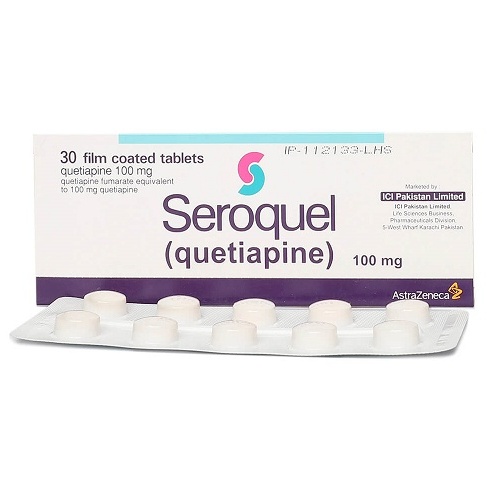
| Name used in pharmacies | Seroquel |
|---|---|
| Main therapeutic use | Mental health disorders (schizophrenia, bipolar disorder, major depressive disorder adjunct) |
| Active pharmaceutical substance | Quetiapine |
| Tablet strengths available | 25 mg, 50 mg, 100 mg, 200 mg, 300 mg, 400 mg |
| Initiation of effect | Within 1–2 hours for sedation; antipsychotic/antimania effects generally noticeable within days to weeks |
| How long does it last? | 6–12 hours per dose, depending on immediate vs. extended-release formulation |
| How to take it | Daily, usually once or twice per day, with or without food |
| Prescription requirement | Prescription only in the United States (FDA-regulated) |
Seroquel, containing the active ingredient quetiapine, is a prescription medication approved in the United States for the treatment of certain mental health conditions. It is legally available, under physician supervision, for people living with schizophrenia, bipolar disorder, and as an add-on therapy for depression. If you are considering Seroquel, understanding how it works and your options is an important step.
Mental health disorders such as schizophrenia, bipolar disorder, and depression affect millions of Americans each year, and the impact is significant—but help is available. According to the National Institute of Mental Health (NIMH), 2022, nearly 1 in 5 adults in the United States experienced some form of mental illness within the past year. Schizophrenia affects approximately 0.25% to 0.64% of adults, while bipolar disorder influences about 2.8% of the population annually (NIMH, 2022). These conditions are chronic but manageable, and medical treatment, including medications like Seroquel, forms a core part of recovery for many. You are not alone in facing these challenges, and options for effective management are well-established and accessible.
Seroquel operates by balancing chemicals in the brain that can become disrupted in conditions like schizophrenia and bipolar disorder. Its main component, quetiapine, affects neurotransmitters—specifically dopamine and serotonin. Dopamine is involved in thought, perception, and mood regulation; serotonin influences mood, anxiety, and sleep. When these chemical messengers are imbalanced, symptoms such as hallucinations, mood swings, or severe depression can arise.
Quetiapine acts as an antagonist at certain dopamine and serotonin receptors. Essentially, it blocks the excessive activity of these neurotransmitters, which helps to reduce hallucinations, delusions, mood instability, and agitation. The practical result for most patients: within a few hours of taking a dose, sedation and calming effects may be noticeable (particularly at low doses used off-label for insomnia). For antipsychotic or mood-stabilizing effects, meaningful improvement often appears over several days to a few weeks of consistent use. Most people will observe gradual lessening of acute symptoms—such as reduced paranoia, clearer thinking, or greater emotional stability—if the medication is matched appropriately to their needs.
In summary: Seroquel doesn’t “cure” mental health conditions, but it manages symptoms by directly influencing the brain’s chemical signaling, leading to better day-to-day functioning for many people.
| If you are… | Recommended approach | Why this makes sense |
|---|---|---|
| Experiencing frequent episodes of mania or psychosis (diagnosed bipolar disorder, schizophrenia) | Seroquel is often a first-line or adjunct option | Because it addresses both mood swings and psychotic symptoms with a broad spectrum of action |
| Struggling with depression that has not improved on standard antidepressants (as diagnosed by a physician) | Seroquel may be added as “adjunct therapy” | It is FDA-approved in the U.S. as an add-on for treatment-resistant major depressive disorder |
| Seeking a sleep aid for occasional insomnia, without a diagnosed psychiatric disorder | Seroquel is not recommended for primary insomnia | Because the safety profile does not support its use for short-term sleep problems and there are safer alternatives |
| Older adult with dementia-related behavioral issues | Seroquel is generally not appropriate | Use in this population carries increased risk of stroke and death, as indicated by FDA warnings |
| Diagnosed mental health condition but have a history of severe heart rhythm disorders | Consult with your doctor to assess alternative medications | Because Seroquel can affect heart conduction, it may not be suitable for people with certain cardiac risks |
This table is not exhaustive, but it illustrates how the decision to use Seroquel should be tailored to your specific diagnosis, history, and health status. If your situation is not reflected above, a psychiatric evaluation will clarify if Seroquel aligns with your needs or if another approach is preferable.
Consistency and open communication with your doctor are crucial for best results and safety. Your prescriber may also order lab tests periodically to monitor for metabolic changes.
In all these circumstances, alternative treatments are generally recommended. If you are unsure whether you fall into one of these categories, a direct discussion with your healthcare provider is essential for safety.
If you or someone near you experiences symptoms like chest pain, difficulty breathing, loss of consciousness, or seizures after taking Seroquel, call 911 or your local emergency services immediately (United States National Emergency Number: 911). Most side effects are manageable, but a small subset can be life-threatening if not addressed rapidly.
Seroquel interacts with several types of medications, which can change its effects or increase side effect risks:
Always inform your prescriber of all medications, supplements, and herbal products you use. Never adjust or stop medicines without medical supervision—unexpected withdrawal or unanticipated interactions can have serious consequences.
| Medication | Main use | Advantages | Limitations |
|---|---|---|---|
| Seroquel (quetiapine) | Schizophrenia, bipolar disorder, depression adjunct | Versatile for multiple conditions, lower risk of movement disorders than some alternatives | Not ideal for primary insomnia or in elderly with dementia; metabolic side effects over time |
| Risperidone | Schizophrenia, bipolar mania, irritability in autism | Can be used in adolescents, available as long-acting injection | Higher risk of movement side effects (extrapyramidal symptoms) |
| Aripiprazole | Schizophrenia, bipolar disorder, depression adjunct | Lower risk of weight gain and metabolic effects, less sedation | May cause restlessness or insomnia in some patients |
| Olanzapine | Schizophrenia, bipolar disorder | Rapid onset for mania, high efficacy for psychosis | Notable risk for weight gain and diabetes; sedation common |
The decision between Seroquel and other antipsychotics depends on symptom profile, medical history, and side effect preferences. Some patients do better with alternatives due to differing side effect risks or dosing schedules. No single medication is “best” for everyone, but Seroquel’s broad spectrum of action makes it a strong choice for patients needing both mood and psychotic symptom management—with the understanding that medical supervision and regular follow-up are essential for optimal results.
| Expense item | Estimated cost (USD) | Details |
|---|---|---|
| Initial psychiatric consultation | $100–$350 | May be covered by insurance; telemedicine may be lower |
| Prescription (if required separately) | $0–$20 | Varies by provider and insurance plan |
| Seroquel (generic quetiapine, 30-day supply) | $10–$70 | Depends on dosage, manufacturer, and pharmacy |
| Delivery/shipping (online pharmacy, standard) | $5–$20 | Some online pharmacies offer free delivery |
| Total estimated cost | $115–$460 | First month, uninsured, with consultation and medication |
Brand-name Seroquel costs significantly more; most U.S. pharmacies dispense generic quetiapine, which is therapeutically equivalent. Insurance, copay cards, or prescription discount programs may further reduce costs. If you buy online, ensure the pharmacy is verified and operates with a licensed U.S. pharmacist—this is required under federal law, though some international sites claim to ship without prescription (this practice is not legal in the U.S. and carries risks of counterfeit or substandard products).
1. What about long-term safety? Seroquel, like all medications in its class, requires regular health monitoring (weight, blood sugar, cholesterol, sometimes EKG) to catch side effects early. For most, these checks can be done at routine appointments. Rarely, long-term use may increase the risk of diabetes or high cholesterol; these risks are balanced against the need for effective symptom control.
2. Can I use Seroquel if I’m pregnant or breastfeeding? Use during pregnancy or nursing is a complex decision. While Seroquel is not absolutely contraindicated, the risks and benefits must be weighed carefully with your physician. It passes into breast milk in small amounts; some prescribers may prefer alternatives depending on your specific situation.
3. Is medical supervision truly necessary if I feel fine? Yes. Some side effects or complications develop silently (like blood sugar changes), and stopping Seroquel suddenly can lead to serious withdrawal symptoms. Regular check-ins and honest communication with your prescriber are central to safe, effective use.
Your decision to start Seroquel or any antipsychotic should feel informed, personal, and collaborative with your care team. All details—legal, financial, and medical—are part of that picture. If something remains unclear, bring these questions directly to your next visit: clarity is not just your right, but a core part of effective mental health care.