
Currently Empty: ₹0.00
+91 96387 05247
Ahmedabad, Gujarat, India.
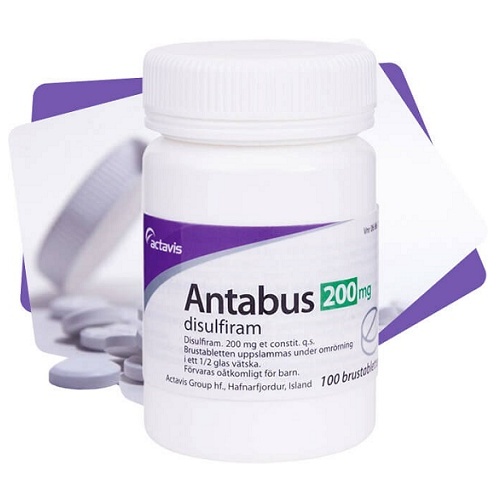
| Medicine Name | Antabuse |
|---|---|
| Main Molecule | Disulfiram |
| Indicated Use | Treatment of Alcohol Use Disorder |
| Strength Options | 250 mg, 500 mg tablets |
| Effect Start Time | Within 1–2 hours after ingestion |
| Effective Duration | Lasts up to 1–2 weeks after stopping |
| Typical Dosing Schedule | Daily administration |
| Food Consideration | Can be taken with or without meals |
| Prescription Requirement (US) | Yes, federal law requires a valid prescription |
Antabuse is a prescription medication containing disulfiram, used specifically to support people wishing to stop drinking alcohol. It is approved for medical use in the United States and regulated by the Food and Drug Administration (FDA). If you or someone you care about is struggling with alcohol use, Antabuse offers a clinically backed option for treatment under medical supervision.
Alcohol dependence, or Alcohol Use Disorder, is a medical condition—not a personal failing. According to the Substance Abuse and Mental Health Services Administration (SAMHSA), 2022, approximately 29.5 million adults in the United States met criteria for Alcohol Use Disorder in the past year. This means millions of Americans, across every socioeconomic group, experience the same struggles. The good news: modern medicine offers effective help, and long-term recovery is possible for most people with the right support. Recognizing that you are not alone is the first—and often the hardest—step toward a solution.
Antabuse (disulfiram) works by interfering with the body’s way of processing alcohol. Normally, when you drink, your liver breaks down alcohol into acetaldehyde, which is then quickly converted to harmless acetic acid. Disulfiram blocks the second step—so if you drink while on Antabuse, acetaldehyde builds up rapidly. This buildup causes highly unpleasant symptoms: flushing, throbbing headache, nausea, vomiting, chest pain, and anxiety. The result is a strong physical deterrent—drinking alcohol while taking Antabuse leads to an immediate, memorable reaction. For most people, knowing this reaction will occur is enough to help them avoid alcohol altogether.
| Your Situation | Recommendation | Why |
|---|---|---|
| You are highly motivated to quit, but struggle with repeated relapses when exposed to alcohol | Antabuse may be a strong choice | It creates a biological safety net by making drinking physically aversive, supporting your commitment |
| You have a stable support system and attend regular counseling, but find willpower alone insufficient | Consider combining Antabuse with ongoing therapy | The medication’s deterrent effect complements behavioral support, increasing your chances of success |
| You have a history of heart disease, severe psychiatric illness, or are pregnant | Antabuse is not recommended | These conditions raise the risk of serious side effects, and other treatments may be safer |
| You only drink occasionally and want to cut down, not abstain completely | Antabuse may not be appropriate | This medication is designed to support full abstinence, not moderation |
| You struggle with memory issues or keeping a consistent routine | Discuss other options with your doctor | Missing doses reduces effectiveness, and alternatives may fit better with your needs |
Not every person with Alcohol Use Disorder will benefit from Antabuse; it works best for those who are fully committed to abstinence and can reliably avoid all sources of alcohol (including hidden alcohol in foods or medicines). If you have questions about your specific health conditions, a medical professional can help you weigh the risks and benefits.
Always disclose your full medical history to your healthcare provider before starting Antabuse. If you are unsure about any diagnosis, do not start the medication without medical supervision.
Most people tolerate Antabuse well when they avoid alcohol, and severe side effects are uncommon. Regular follow-up and liver function monitoring may be recommended during treatment.
Inform every provider about your Antabuse use before starting new medications. If you are unsure about a product’s alcohol content, ask your pharmacist or doctor before use.
| Medication | How it works | Main Benefit | Best for… | Limitations |
|---|---|---|---|---|
| Antabuse (Disulfiram) | Creates strong negative reaction if alcohol is consumed | Direct deterrence, supports abstinence | Those motivated for total sobriety and able to avoid hidden alcohol | Risks if underlying heart/liver/mental health issues; not effective if doses skipped |
| Naltrexone | Reduces craving and pleasure from drinking | Can support reduced drinking or abstinence | People aiming to cut down or quit, including those who may not abstain 100% | Does not create aversion; must be taken consistently |
| Acamprosate | Restores brain balance after quitting alcohol | Helps maintain abstinence, especially after withdrawal | Those who have already stopped drinking and want help staying sober | Can require multiple daily doses; not for those with severe kidney disease |
| Topiramate & other off-label options | Various mechanisms (brain chemistry modulation) | May help reduce cravings | When other treatments are unsuitable or ineffective | Not FDA-approved for alcohol dependence; side effect concerns |
Antabuse is effective in cases where a strong external reminder or “safety net” is needed. For those with a history of medical issues or who prefer to reduce rather than eliminate drinking, naltrexone or acamprosate may be more appropriate. The best plan is individualized—discuss your history, goals, and preferences with a qualified professional.
| Expense Item | Cost (USD) | Comments |
|---|---|---|
| Physician visit (in-person or telehealth) | $80–$250 | Initial evaluation and prescription; telemedicine is increasingly available |
| Prescription fee (if separate) | $0–$25 | Varies by provider and insurance |
| Antabuse tablets (30-day supply, 250–500 mg) | $40–$120 | Generic disulfiram is widely available; cost depends on pharmacy and insurance coverage |
| Delivery (if ordered online) | $0–$25 | Standard shipping; express options may cost more |
| Total estimated out-of-pocket | $120–$420 | Lowest end: telemedicine + generic + no shipping; Highest end: in-person + brand-name + express delivery |
In the United States, Antabuse requires a valid prescription from a licensed healthcare provider. Most pharmacies carry the generic version, and telemedicine services can often facilitate both evaluation and fulfillment. Insurance may cover much of the cost, but out-of-pocket expense is still possible, especially for uninsured patients. Purchasing from online pharmacies is legal if they require a prescription and are certified by the National Association of Boards of Pharmacy (NABP). Be wary of sites that offer prescription medications without a valid prescription—this is both illegal and risky regarding authenticity and safety.
If you decide to stop Antabuse, inform your doctor—do not resume alcohol use for at least 14 days after your last dose, as the deterrent effect lingers. If you are considering switching to a different anti-alcohol medication, a healthcare provider can help you transition safely based on your treatment history and current health status. Ongoing medical supervision is the safest way to adjust your recovery plan; self-directed changes can lead to preventable risks or setbacks.